
Public spaces are at the heart of every city, serving as gathering points where communities interact, socialize, and move about. From parks and plazas to streets and sidewalks, these shared spaces need thoughtful lighting design to ensure safety, comfort, and accessibility for everyone. Effective public space lighting goes beyond illumination it plays a vital role in shaping community well-being and urban identity.
One of the primary functions of public lighting is safety and security. Adequate lighting in streets, walkways, and open areas reduces crime rates and increases the sense of security for pedestrians. Well lit areas encourage more people to walk, cycle, and enjoy outdoor activities even after dark, strengthening the social fabric of the community. In contrast, poorly lit spaces often become areas of neglect, discouraging public use and reducing quality of life.
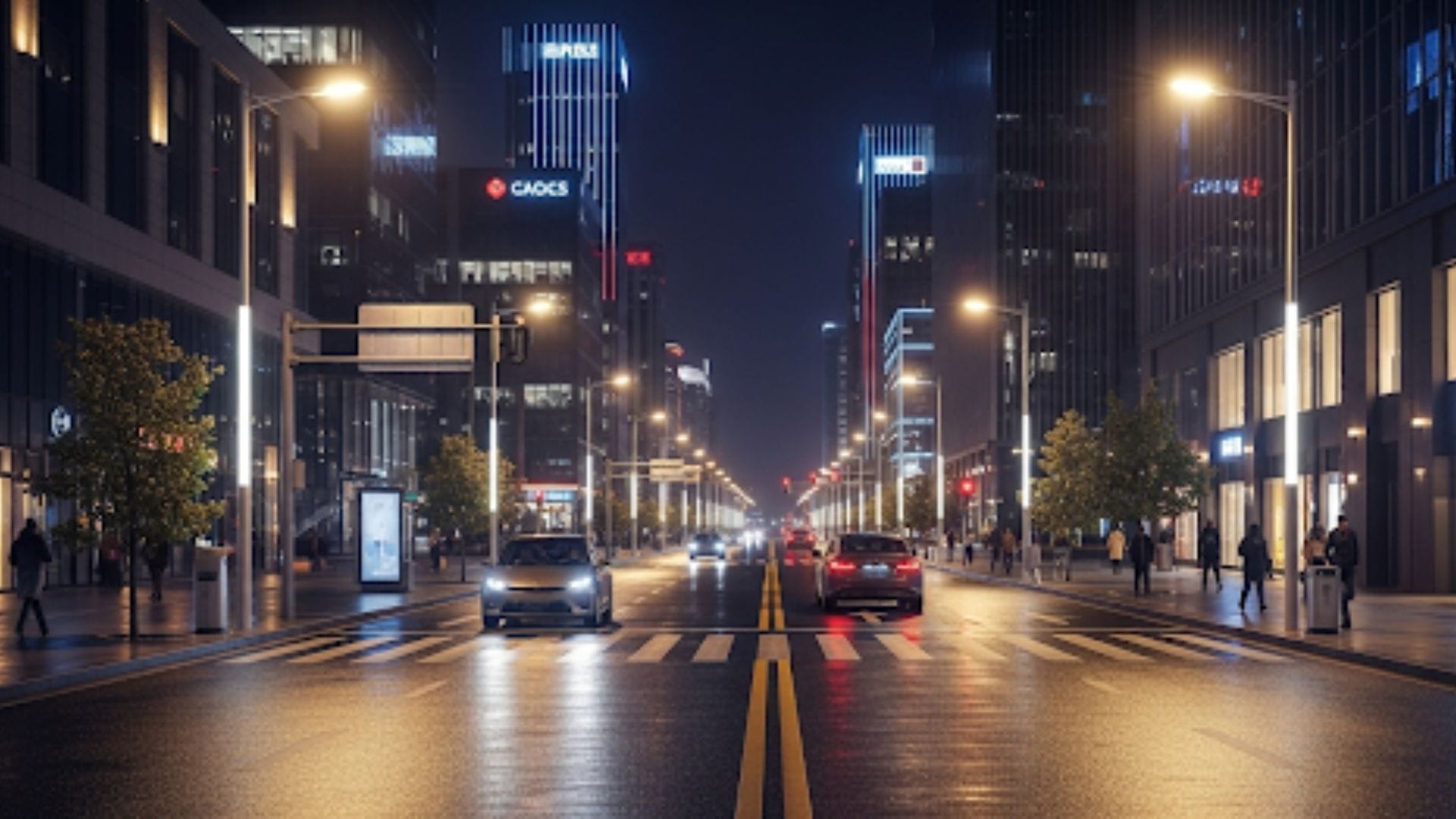
Public lighting also enhances aesthetic appeal. Modern urban lighting design incorporates creative solutions such as architectural highlights, dynamic LED displays, and artistic fixtures that transform cityscapes at night. This not only improves visibility but also creates inviting environments that attract visitors, support tourism, and boost local economies. Cities that invest in innovative lighting often see public spaces become vibrant cultural hubs.
Another important aspect is sustainability. Traditional streetlights consume large amounts of energy, but the shift to LED technology has dramatically reduced costs and environmental impact. Many cities are now adopting smart lighting systems equipped with sensors and adaptive controls. These systems adjust brightness based on pedestrian activity or traffic flow, ensuring efficient energy use while maintaining safety standards. By integrating smart lighting into urban infrastructure, cities contribute to global climate goals while reducing operational expenses.
Public space lighting also has a significant impact on health and well being. Properly designed lighting minimizes glare and light pollution, which can disrupt human circadian rhythms and harm local ecosystems. Warm, balanced lighting in parks and residential areas creates a sense of comfort and relaxation, encouraging outdoor activities that improve physical and mental health.
Furthermore, lighting design plays a role in urban inclusivity. Well lit spaces make cities more accessible for all, including the elderly and people with disabilities. Clear visibility improves navigation, reduces accidents, and ensures that public areas can be enjoyed by everyone, regardless of age or ability.
The future of public space lighting is tied closely to smart city initiatives. With the integration of IoT (Internet of Things), cities are using lighting poles as multifunctional hubs equipped with Wi-Fi, sensors, and even charging stations expanding their role beyond illumination. This innovation is reshaping how communities experience public environments at night.
Investing in high-quality public lighting is not just a matter of visibility it is about building safer, more inclusive, and more vibrant communities. By combining safety, aesthetics, and sustainability, public lighting becomes a cornerstone of modern urban development.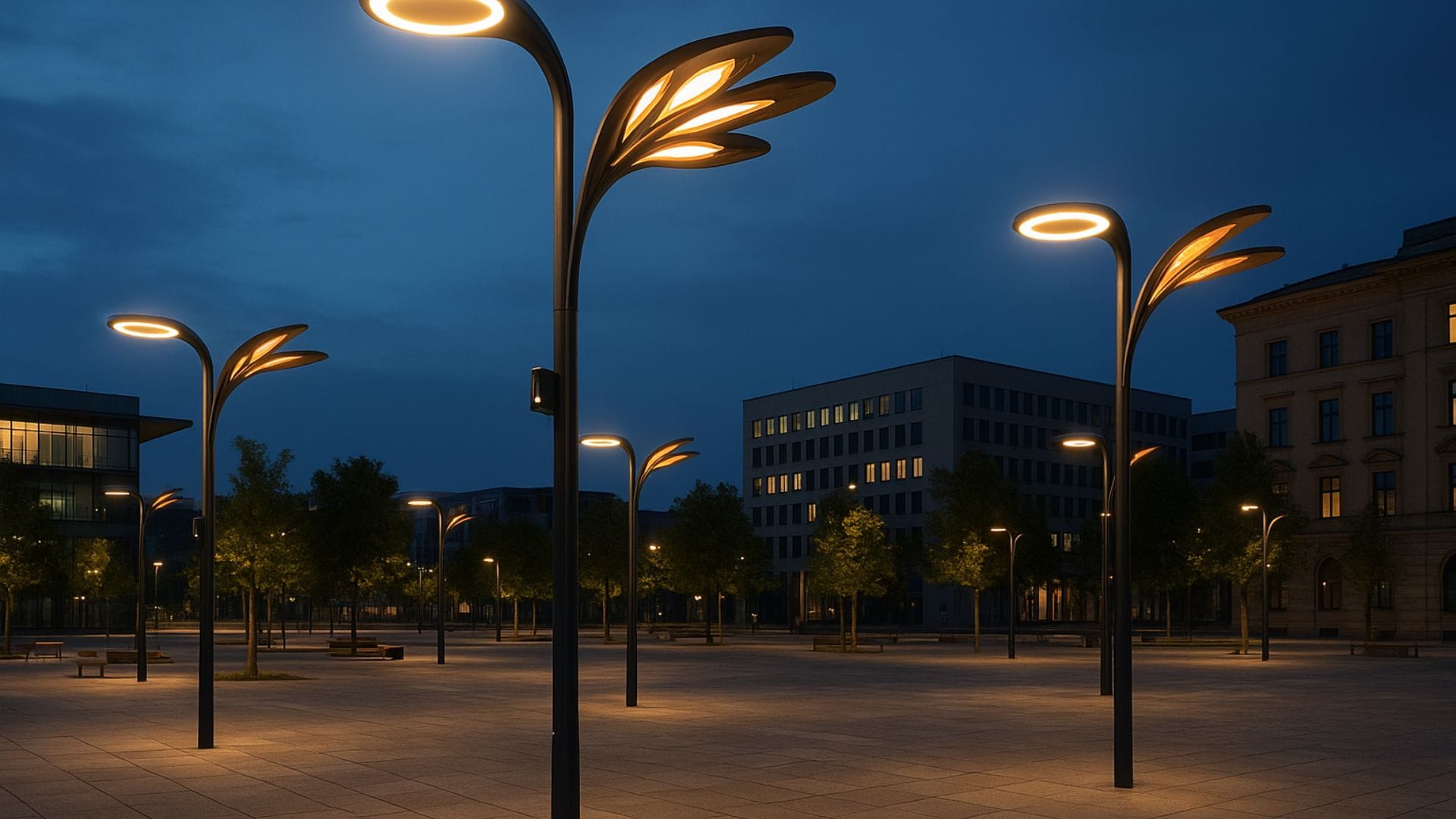
Bring your city’s public spaces to life with innovative lighting design. Contact Illuminating Asia today to explore solutions that enhance safety and community well-being.