
Lighting plays a crucial role in shaping how we perceive and experience architectural spaces. It is more than just a tool to illuminate a room; it is a design element that defines mood, highlights structure, and enhances both function and aesthetics. Architectural lighting design bridges the gap between art and science, ensuring that spaces are not only visible but also engaging and meaningful.
At its core, architectural lighting design is about balancing form and function. Good lighting should bring out the character of a building while supporting the activities that take place within it. For example, a museum may rely on precise lighting to emphasize artworks while keeping the surrounding environment subtle and neutral. In contrast, a retail store might use dynamic, bright lighting to draw attention to products and create a lively shopping atmosphere.
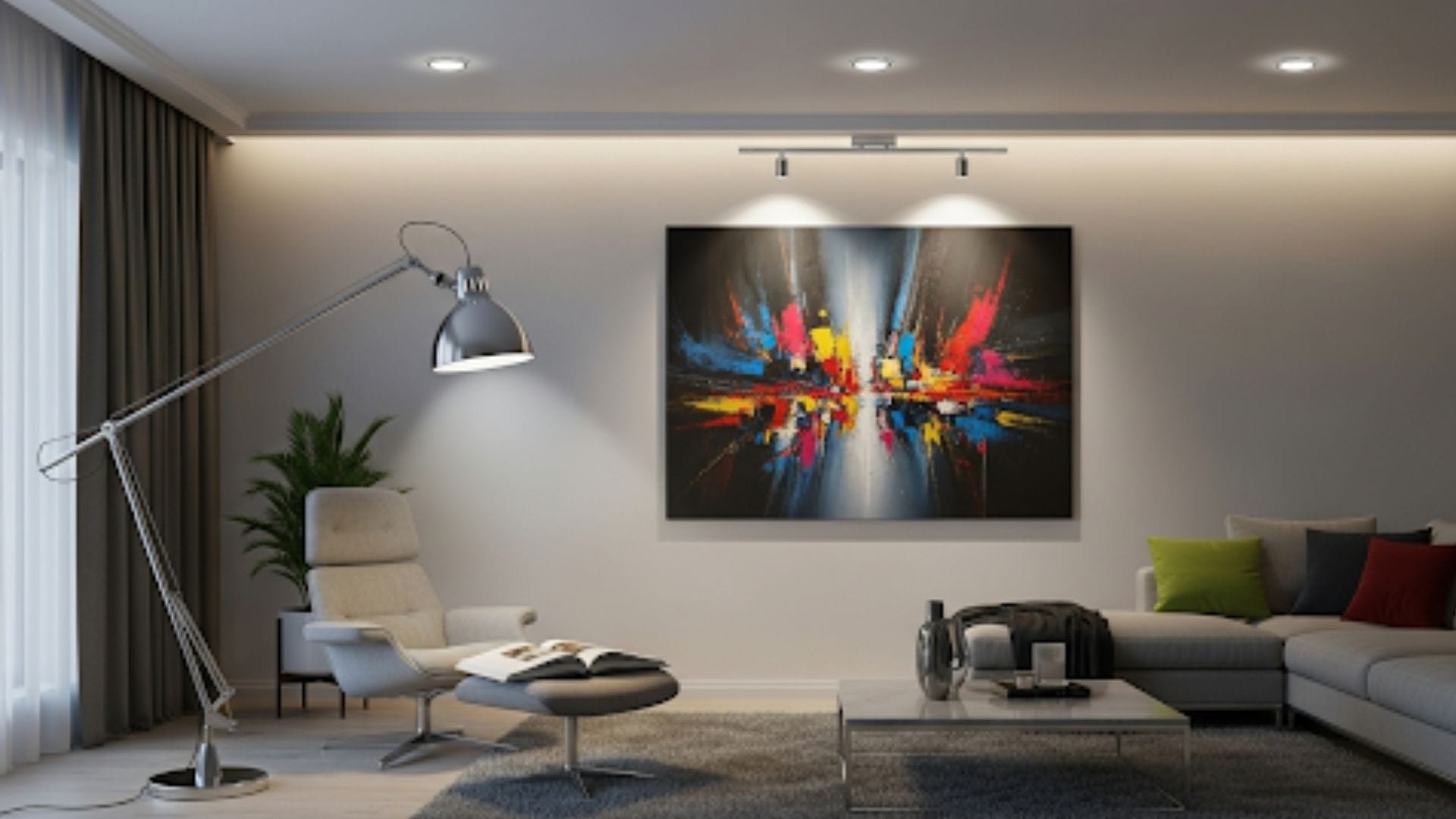
A key principle in architectural lighting is layering. Designers often use three layers: ambient lighting for overall illumination, task lighting to support specific activities, and accent lighting to highlight architectural features or create focal points. When combined thoughtfully, these layers create depth, balance, and visual harmony.
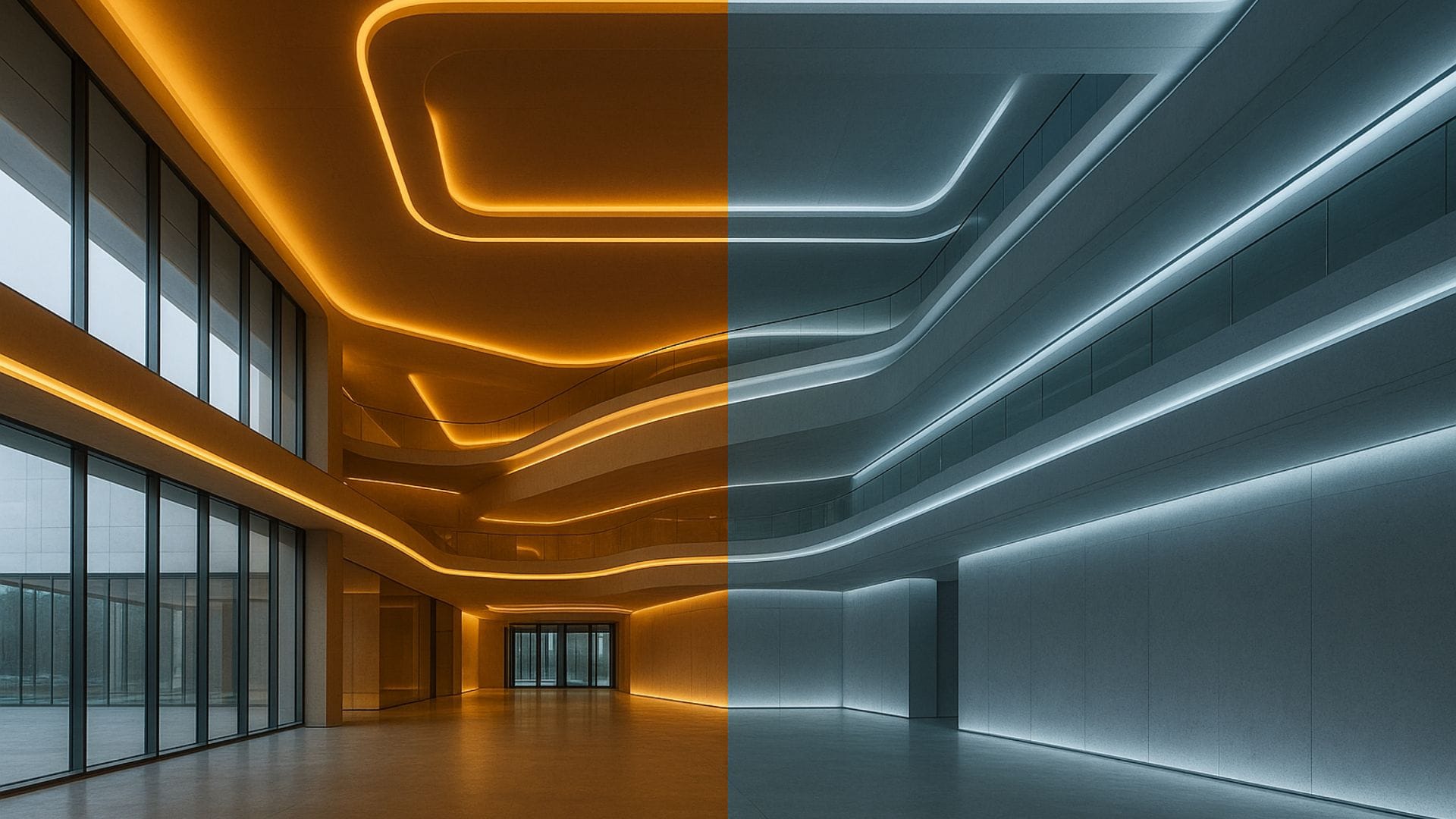
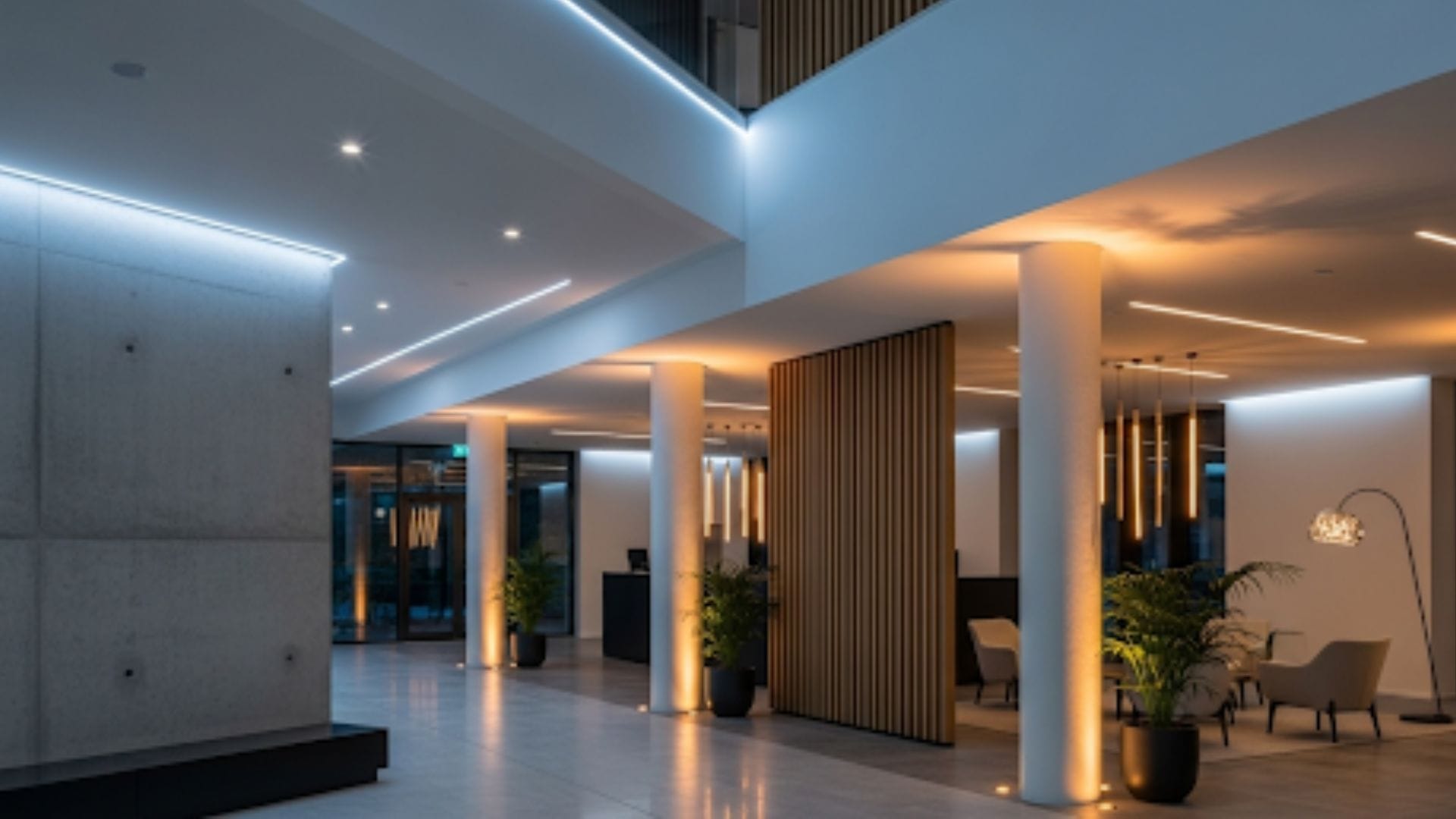
Another essential aspect is color temperature. Warm light, typically around 2700K to 3000K, creates a cozy and inviting atmosphere, making it perfect for residential spaces, restaurants, or hotels. On the other hand, cooler light, ranging from 4000K to 6000K, promotes concentration and alertness, making it suitable for offices, classrooms, and healthcare facilities. Understanding how color temperature influences human emotions and behavior is a vital skill for any lighting designer.
Sustainability also plays an increasingly important role in architectural lighting. With advancements in LED technology and smart lighting systems, designers can now create energy-efficient solutions without compromising aesthetics. Smart controls allow for adaptive lighting that changes throughout the day, reducing energy use while supporting human comfort and productivity.
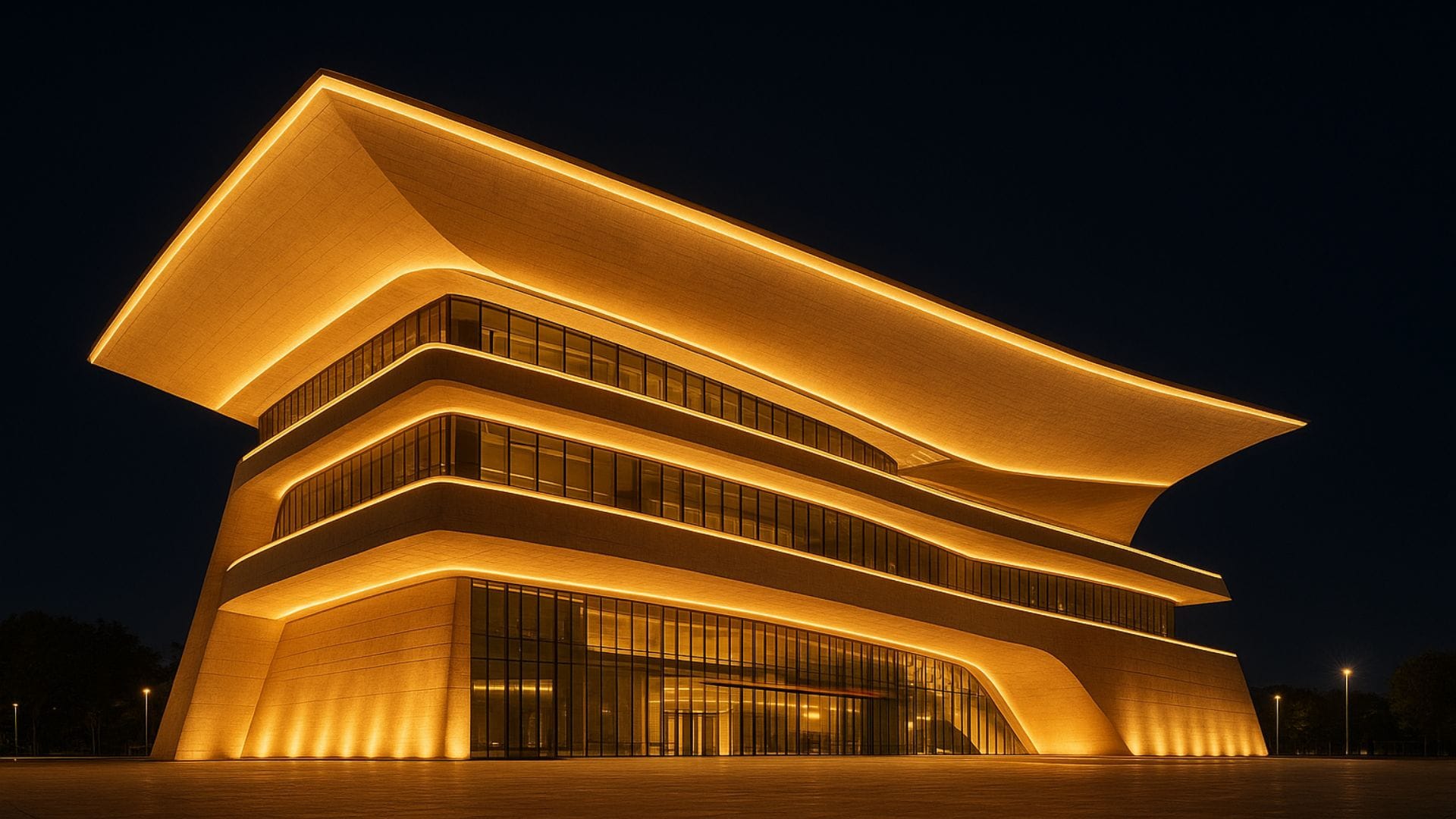
Ultimately, architectural lighting design is about storytelling through light. It guides how people move through a space, what they notice, and how they feel. Whether it is the dramatic play of light and shadow in a theater, the welcoming glow of a hotel lobby, or the calm and focus inspired by a well-lit office, lighting transforms architecture from static structures into living, breathing experiences.
For beginners, the journey into architectural lighting design starts with observation. Pay attention to how different spaces make you feel and notice how lighting contributes to that experience. By studying principles of layering, color temperature, and sustainability, anyone can begin to appreciate and apply the art of lighting design.
Lighting is more than illumination, it’s an experience. If you’re ready to transform your space with thoughtful and sustainable lighting design, explore our services at Illuminating Asia and let us help you create an environment that inspires, comforts, and performs.