Illuminating Asia

How to Choose the Right Lighting Fixtures for Each Room

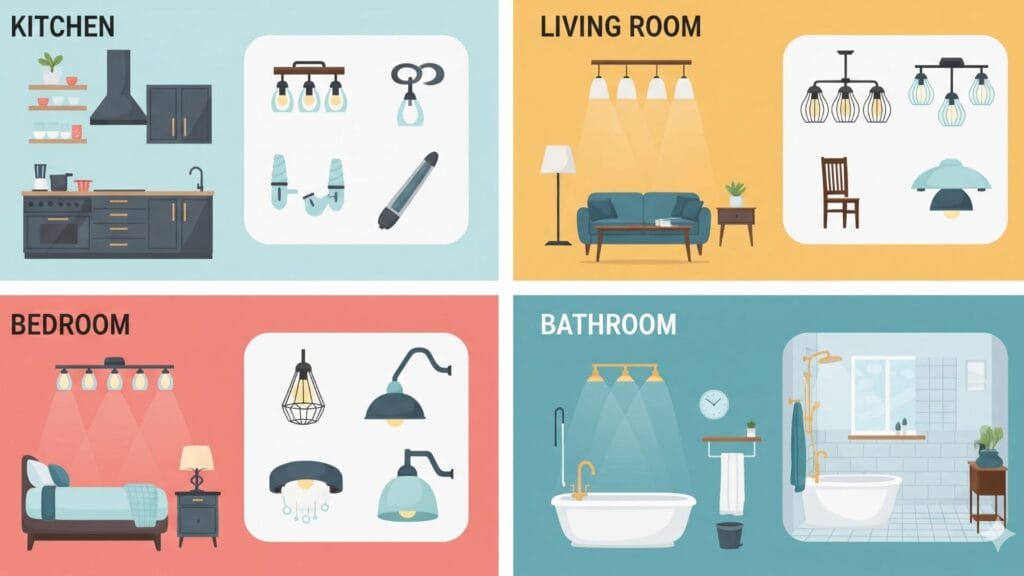
Lighting is one of the most powerful elements in interior design, yet it is often overlooked. Each room in a home has unique functions and moods, which means choosing the right lighting fixtures is essential. This guide will help you understand how to select the best lighting for every room, ensuring both functionality and aesthetic appeal. Living Room Lighting The living room is often the center of activity, so versatile lighting is key. A chandelier or ceiling fixture can provide ambient light, while floor lamps and table lamps add warmth. Accent lighting, such as wall sconces or spotlights, can be used to highlight artwork or architectural features. Kitchen Lighting Kitchens require a balance of task and ambient lighting. Pendant lights over the island or dining area create style and focus, while under-cabinet lighting ensures proper visibility for cooking tasks. Recessed ceiling lights can provide general illumination without cluttering the space. Bedroom Lighting Bedrooms are personal sanctuaries, so comfort is the main priority. Ambient lighting from ceiling fixtures sets a soft tone, while bedside table lamps or wall-mounted reading lights provide task lighting. Dimmers are highly recommended for creating a relaxing atmosphere. Bathroom Lighting Good bathroom lighting enhances both safety and style. Wall sconces placed at eye level on either side of the mirror reduce shadows for grooming tasks. Overhead fixtures or recessed lighting provide necessary general illumination. Avoid harsh, direct lights that can feel uncomfortable. Dining Room Lighting The dining room is best suited for statement fixtures like chandeliers or pendant lights over the dining table. Adding dimmers allows you to adjust brightness according to the mood—bright for family meals and soft for intimate dinners. Each room has different lighting needs, and selecting the right fixtures can transform not only the look but also the functionality of your home. By combining ambient, task, and accent lighting, you can create balanced and inviting spaces throughout your house. Ready to design your home with perfect lighting? Contact Illuminating Asia today for expert guidance in choosing the best lighting fixtures for every room.

How to Choose the Right Lighting Fixtures for Each Room Read More »
Understanding Lumen, Lux, and Watt: A Beginner’s Guide to Lighting Measurements

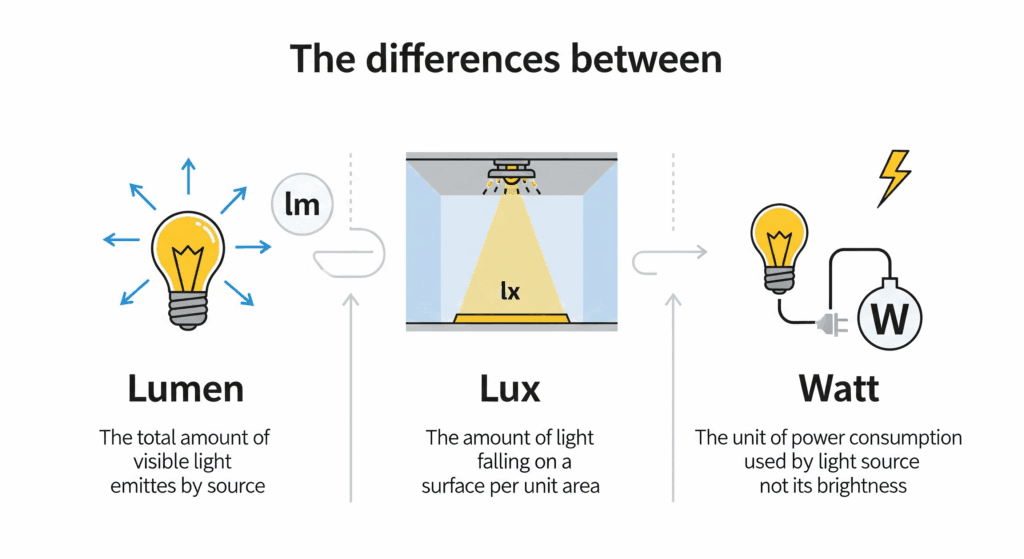
Lighting design is more than just choosing a bulb that looks bright enough. To create spaces that are both functional and comfortable, we need to understand how lighting is measured. The three most common terms lumen, lux, and watt are often confused but represent very different aspects of lighting. This beginner’s guide will help you understand the differences and their importance in both residential and commercial spaces. What Are Lumens? Lumens (lm) measure the total amount of visible light emitted by a source. The higher the lumen value, the brighter the light appears. For example, a standard 60-watt incandescent bulb produces around 800 lumens, while a modern 10-watt LED bulb can generate the same brightness with far less energy. When shopping for lighting, lumens tell you how much actual light you’re getting, regardless of energy use. What Is Lux? Lux (lx) measures how much light actually falls on a surface, such as a desk, floor, or wall. While lumens describe the total output, lux tells us how that light is distributed in a given area. For instance, 1 lux equals 1 lumen per square meter. A reading lamp may need around 500 lux, while general living spaces may feel comfortable at just 150 lux. Lux is especially important in offices, hospitals, and schools where visual comfort and precision tasks matter. What Are Watts? Watts (W) measure energy consumption, not brightness. In the past, we often associated higher wattage with brighter light because incandescent bulbs required more power to shine brighter. Today, with LED and energy-efficient technology, wattage is less about brightness and more about energy cost. A 10-watt LED can produce the same light as a 60-watt incandescent bulb, making LEDs far more efficient. Why These Measurements Matter Understanding the differences between lumen, lux, and watt can help you choose lighting that fits both your design needs and energy goals. Lumens guide brightness, lux ensures the right distribution, and watts remind us of energy efficiency. Together, they provide a complete picture of lighting performance. Ready to design lighting that balances comfort, beauty, and energy efficiency? Contact Illuminating Asia for expert lighting consultancy and transform your spaces with the right measurements in mind.

Understanding Lumen, Lux, and Watt: A Beginner’s Guide to Lighting Measurements Read More »

Smart Lighting Systems: The Future of Sustainable Illumination

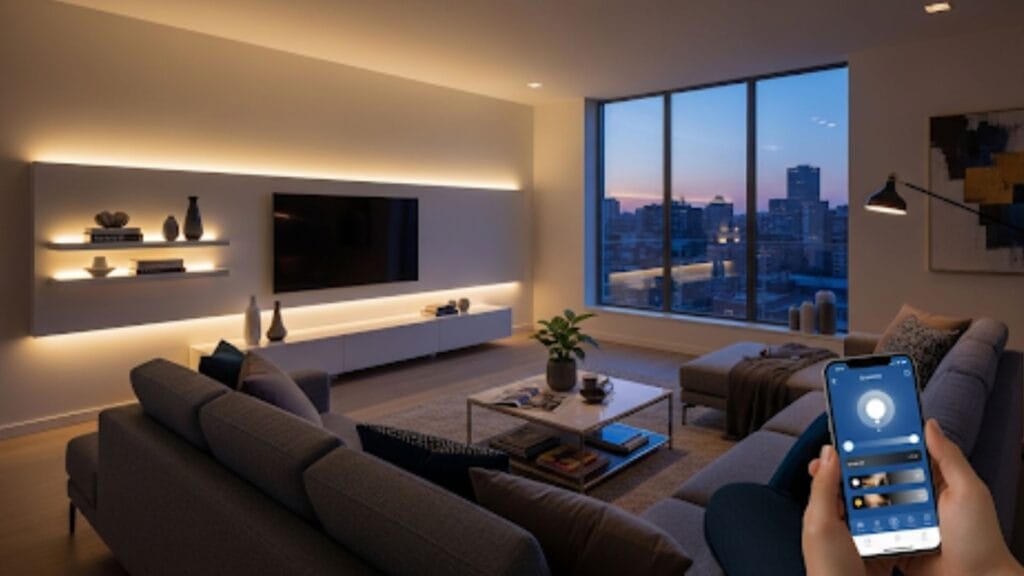
In today’s rapidly evolving world, the demand for energy efficient and user friendly solutions is higher than ever. One of the most innovative advancements in this field is smart lighting systems. These intelligent systems not only improve energy efficiency but also allow users to customize lighting experiences for greater comfort and convenience. From homes and offices to public spaces and industries, smart lighting is shaping the future of sustainable illumination. The Rise of Smart Lighting Systems Smart lighting has moved beyond being a luxury to becoming an essential part of modern living. Driven by the integration of IoT technology, these systems enable remote control, automation, and adaptability based on user needs. Whether adjusting brightness, changing color temperature, or scheduling lighting patterns, smart lighting creates a personalized experience that also reduces unnecessary energy consumption. Benefits of Smart Lighting Smart lighting systems provide multiple benefits for different environments. For homeowners, they offer convenience through voice commands, mobile apps, and automatic adjustments that align with daily routines. Businesses benefit from reduced energy bills and improved employee well-being with lighting that adapts to work conditions. On a larger scale, cities implementing smart street lighting achieve enhanced safety and significant energy savings, making urban spaces more sustainable and livable. Applications Across Different Sectors Smart lighting applications are versatile and adaptable. In residential settings, systems create mood lighting that enhances comfort and supports relaxation. In offices, adaptive lighting boosts productivity and reduces eye strain. Retail environments use smart lighting to highlight products and influence customer behavior. Public infrastructure benefits from streetlights equipped with motion sensors, ensuring safety while minimizing unnecessary energy use. Smart lighting systems represent the future of illumination combining sustainability, technology, and user experience. By adopting these solutions, individuals, businesses, and communities can achieve better efficiency, comfort, and safety. At Illuminating Asia, we provide cutting-edge smart lighting solutions tailored to your unique needs. Contact us today to discover how intelligent lighting can transform your space.

Smart Lighting Systems: The Future of Sustainable Illumination Read More »

The Art of Restaurant Lighting: Creating Atmosphere and Enhancing Dining Experiences

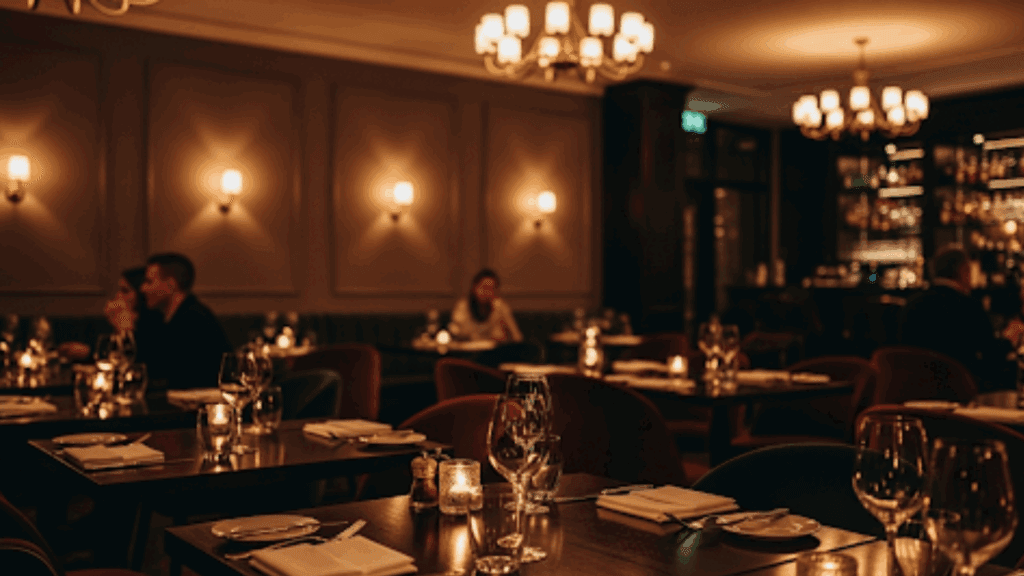
Lighting is more than just illumination, it is a powerful design element that shapes the atmosphere of any space. In the restaurant industry, where ambiance plays a vital role, professional restaurant lighting design can transform ordinary dining into a memorable experience. From romantic dinners to vibrant social gatherings, lighting influences mood, enhances food presentation, and elevates the overall brand identity. The Role of Lighting in Dining Atmosphere The right lighting sets the tone for how customers feel the moment they step inside a restaurant. Warm, dimmed lights create a cozy and intimate setting, perfect for fine dining or romantic occasions. Brighter, cooler lights energize the space, making them ideal for cafés or casual eateries. By carefully balancing intensity, color temperature, and placement, lighting designers create a mood that complements both the cuisine and the brand’s character. Enhancing Food Presentation Through Lighting Great food deserves to be seen in its best light. Strategic lighting highlights textures, colors, and presentation, making dishes more visually appealing. Accent lighting, for example, can spotlight signature dishes or bar areas, drawing attention to what matters most. Well designed lighting not only improves the dining experience but also supports social media sharing, as customers often photograph meals that look stunning under the right illumination. Creating Unique Experiences with Custom Lighting Every restaurant has its own story and personality. Custom restaurant lighting design ensures that the lighting aligns with the brand’s identity, whether it’s a rustic bistro, modern fine dining establishment, or lively rooftop bar. Layered lighting combining ambient, task, and accent elements. Brings depth and flexibility, allowing spaces to shift from lunch service to evening dining seamlessly. Professional restaurant lighting design is not just about visibility: it is about creating atmosphere, enhancing food presentation, and shaping unforgettable customer experiences. At Illuminating Asia, we specialize in crafting tailored restaurant lighting solutions that bring your brand’s vision to life. Contact us today to transform your dining space with light.

The Art of Restaurant Lighting: Creating Atmosphere and Enhancing Dining Experiences Read More »

Landscape Lighting Design: Transforming Outdoor Spaces into Nighttime Masterpieces

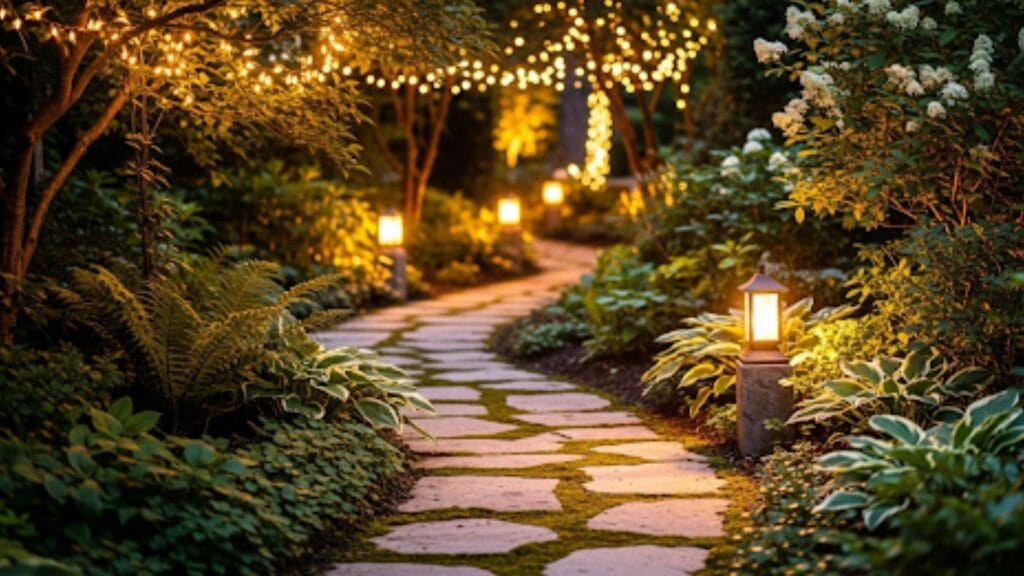
A well designed landscape does not end with the setting sun. In fact, outdoor spaces often reveal a new dimension of beauty at night through carefully planned landscape lighting design. From gardens and pathways to courtyards and open spaces, lighting enhances safety, highlights architectural features, and creates a welcoming ambience for evening gatherings. The Role of Landscape Lighting Landscape lighting serves more than decorative purposes. It increases visibility in outdoor areas, ensuring that walkways, stairs, and driveways are safe to navigate. At the same time, it allows homeowners, businesses, or public spaces to extend the use of outdoor areas after dark. By layering ambient, task, and accent lighting, designers can create depth and atmosphere that highlight both natural and built environments. Benefits of Landscape Lighting Design Well planned landscape lighting design offers numerous benefits. For private residences, it enhances curb appeal and adds value to the property by creating a luxurious nighttime appearance. In public spaces, lighting fosters safety and encourages community activities by making parks, plazas, and pathways more accessible at night. For businesses, outdoor lighting strengthens brand identity, attracting visitors with a warm and inviting atmosphere. Beyond aesthetics, efficient LED systems also ensure lower energy consumption and long-term sustainability. Applications of Landscape Lighting Applications of landscape lighting are diverse and adaptable to many environments. Gardens and backyards benefit from soft ambient lighting that highlights plants, trees, and water features. Pathways and entrances require functional illumination to guide movement safely. Accent lighting can be used to showcase sculptures, architectural details, or unique landscaping elements. Even large-scale outdoor areas, such as parks or resorts, can use landscape lighting to create immersive nighttime experiences that blend nature with design. Landscape lighting design is the art of merging functionality and beauty in outdoor environments. By integrating safety, sustainability, and aesthetics, well-planned lighting transforms outdoor spaces into captivating experiences that can be enjoyed long after the sun has set. At Illuminating Asia, we specialize in professional landscape lighting design that balances safety, comfort, and elegance. Contact us today to bring your outdoor spaces to life with light.

Landscape Lighting Design: Transforming Outdoor Spaces into Nighttime Masterpieces Read More »

Smart Lighting Systems: Revolutionizing Modern Architecture and Design

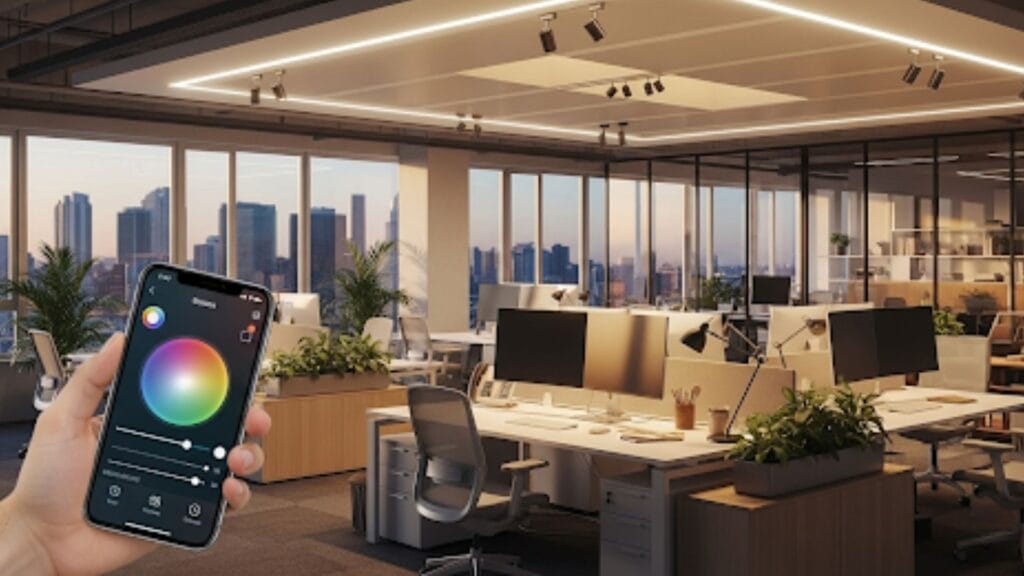
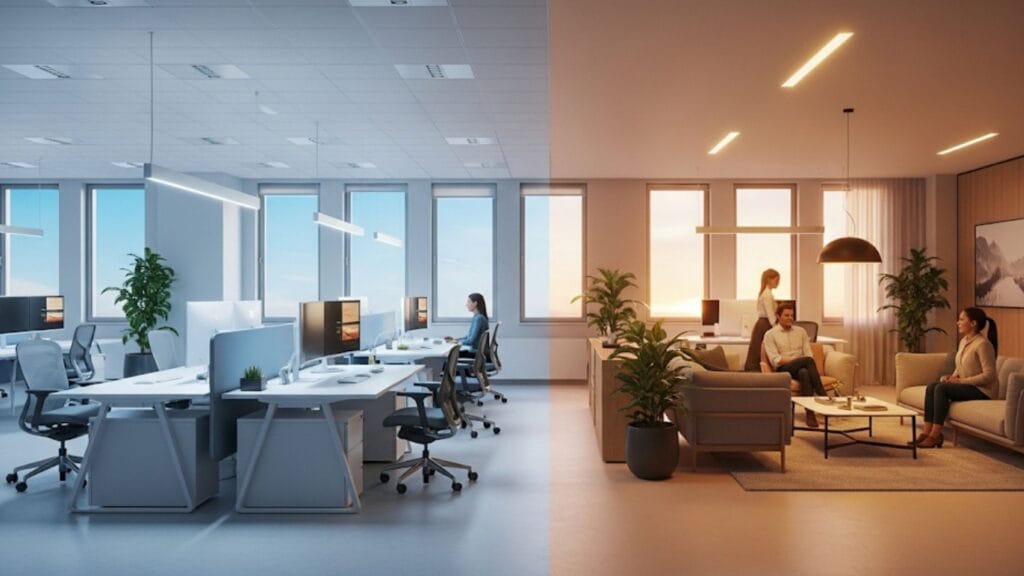
Modern architecture is increasingly shaped by the integration of smart technologies, and lighting is no exception. Smart lighting systems represent a significant leap forward, combining efficiency, automation, and design flexibility to create adaptive environments. These systems go beyond traditional illumination, offering personalized control and energy optimization while enhancing the aesthetic appeal of spaces. The Role of Smart Lighting in Architecture In contemporary building design, lighting is more than a functional element; it is a key aspect of spatial experience. Smart lighting systems allow architects and designers to craft dynamic environments where light responds to the needs of the moment. Whether it is adjusting brightness based on natural daylight, shifting color temperatures to complement interior design, or synchronizing with occupancy sensors, smart lighting turns static spaces into responsive, living environments. Benefits of Smart Lighting Systems The advantages of smart lighting systems are both practical and experiential. From an energy perspective, automated dimming and scheduling reduce electricity consumption, contributing to sustainability goals and lowering operational costs. From a user perspective, the ability to control lighting through apps or voice commands provides unmatched convenience. These systems also enhance wellness by adapting light levels to human circadian rhythms, ensuring comfort and productivity in work and living spaces alike. Applications Across Industries Smart lighting systems are versatile and applicable across multiple industries. In office environments, they create healthier workplaces that balance natural and artificial light for productivity. In retail, they enhance product displays and influence consumer behavior. Hospitality settings use smart lighting to craft memorable guest experiences, while residential projects benefit from both security and lifestyle flexibility. Even urban landscapes now adopt smart street lighting to improve safety and reduce energy waste. Smart lighting systems are transforming the way we think about architecture and design. They embody the intersection of technology, sustainability, and human-centered innovation, making them essential for the future of modern spaces. At Illuminating Asia, we specialize in integrating smart lighting solutions tailored to your project. Let us help you design spaces that are efficient, adaptive, and inspiring.

Smart Lighting Systems: Revolutionizing Modern Architecture and Design Read More »

Human Centric Lighting: Enhancing Health and Productivity with Light

Lighting does more than illuminate a room it influences how people feel, think, and perform. Human centric lighting (HCL) is an innovative approach that considers the biological and emotional effects of light on humans. By aligning artificial lighting with natural circadian rhythms, HCL helps improve mood, focus, and overall well-being. What is Human Centric Lighting? Human-centric lighting is a design concept that replicates the natural changes of daylight indoors. It adjusts brightness, color temperature, and intensity throughout the day to support human biological needs. For example, cooler light in the morning enhances alertness, while warmer tones in the evening promote relaxation. Benefits of Human Centric Lighting The benefits of human centric lighting extend far beyond illumination. In workplaces, it significantly boosts productivity by improving focus and reducing fatigue. For health, it helps regulate circadian rhythm, leading to better sleep quality and reduced sleep disorders. Its impact on mental well-being is also undeniable, as appropriate lighting has been shown to reduce stress and improve mood. Additionally, modern HCL systems are energy efficient, often integrated with smart controls that optimize energy consumption without compromising comfort. Applications of Human Centric Lighting Human centric lighting can be applied across many environments. In offices, it creates a healthier atmosphere where employees can stay focused and energized. In hospitals, it aids patient recovery while improving the efficiency of medical staff. Educational institutions benefit as well, with students showing higher concentration and better learning outcomes under optimized lighting. Even in residential spaces, HCL transforms the home into a more comfortable and adaptive environment, supporting daily activities and ensuring restful sleep. As we spend more time indoors, lighting must evolve beyond visibility to truly support human needs. Human centric lighting bridges the gap between technology and wellness, shaping healthier and more productive spaces. Bring the power of human centric lighting to your next project with Illuminating Asia. Let us help you design spaces that promote health, happiness, and performance.

Human Centric Lighting: Enhancing Health and Productivity with Light Read More »

Sustainable Lighting Design: Building a Greener Future

Sustainability is no longer a trend, it’s a necessity. In today’s world, sustainable lighting design plays a crucial role in creating eco friendly spaces that save energy, reduce costs, and improve environmental impact. Architects, designers, and businesses are increasingly turning to lighting consultants to ensure their projects align with green building standards. What is Sustainable Lighting Design? Sustainable lighting design goes beyond choosing LED lamps. It involves integrating natural light, selecting high-efficiency fixtures, and using smart control systems to minimize energy consumption while maximizing comfort and aesthetics. Key Principles of Sustainable Lighting 1. Daylight Integration Maximizing the use of natural daylight reduces dependency on artificial lighting, creating healthier and more comfortable spaces. 2. Energy Efficient Fixtures LED technology and advanced optics provide powerful illumination with significantly less energy consumption. 3. Smart Control Systems Sensors and automation adjust light based on occupancy and daylight levels, preventing unnecessary energy waste. 4. Lifecycle Thinking Choosing durable materials and low-maintenance systems extends the life of lighting installations while reducing waste.  Applications Across Different Sectors Commercial Buildings: Lower operational costs and improve employee well-being. Public Spaces: Safer, eco-friendly lighting for parks and streets. Hospitals & Schools: Enhance comfort while supporting energy saving goals. Luxury Homes: A blend of sustainability and sophistication. Sustainable lighting design is not just about saving energy, it’s about shaping a brighter, greener future. With professional consultation, spaces can achieve harmony between efficiency, beauty, and environmental responsibility. Partner with Illuminating Asia to integrate sustainable lighting design into your project. Together, let’s create spaces that inspire and protect our planet.

Sustainable Lighting Design: Building a Greener Future Read More »

Luxury Residential Lighting: Elevating Homes with Elegance and Comfort

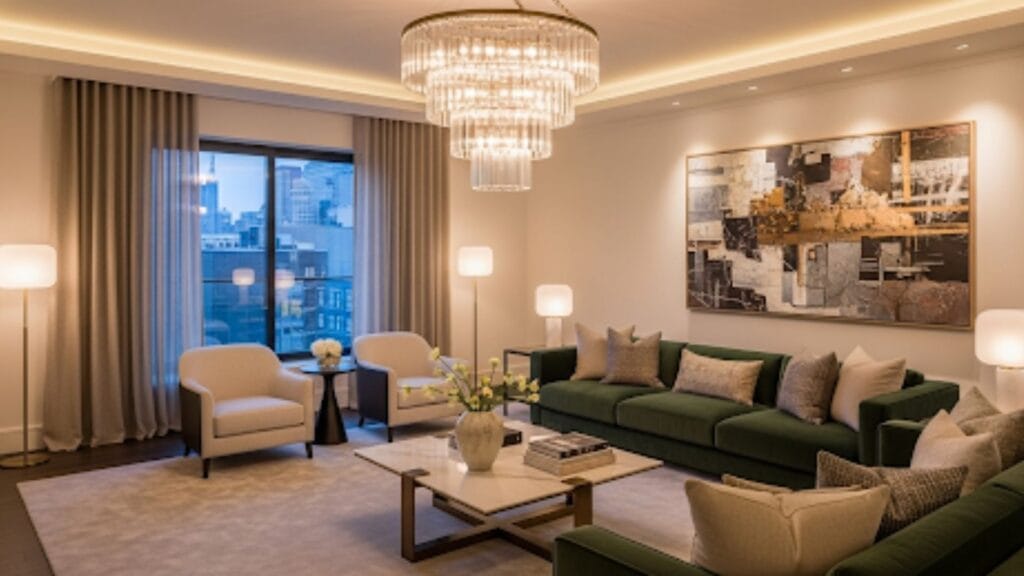
A luxury home is not complete without the right lighting. Luxury residential lighting blends beauty, comfort, and technology. It creates warm, elegant spaces while highlighting architectural details. The Role of Lighting in Luxury Homes Lighting is more than brightness. It defines mood, enhances design, and showcases a home’s personality. From chandeliers to modern recessed lights, the right selection makes every corner special. Ambient, Task, and Accent Lighting A complete luxury residential lighting design combines three essential layers: ambient, task, and accent lighting. Ambient lighting provides the soft overall glow that sets the atmosphere of the home. Task lighting focuses on functionality, ensuring areas like kitchens, studies, or bathrooms are well-lit for daily activities. Meanwhile, accent lighting highlights artwork, plants, or architectural details, giving each space depth and character. Together, these three layers create a harmonious balance between beauty and practicality. Smart Lighting Technology Luxury homes often feature smart lighting controls. Homeowners can adjust brightness, color temperature, and even set scenes with a single touch or voice command. Materials and Fixtures for Elegance High-quality fixtures made from crystal, brass, or modern matte finishes add sophistication. Lighting design highlights textures in furniture, flooring, and wall finishes. Enhancing Lifestyle and Comfort Proper lighting improves relaxation, productivity, and overall living comfort. Whether hosting a dinner or enjoying quiet evenings, luxury lighting adapts to every lifestyle. Luxury residential lighting is about more than illumination. It is about creating elegance, enhancing comfort, and integrating modern technology into daily life. Bring elegance into your home. Contact Illuminating Asia to design luxury residential lighting that blends beauty and comfort.

Luxury Residential Lighting: Elevating Homes with Elegance and Comfort Read More »

Museum Lighting Design: Enhancing Art, History, and Visitor Experience

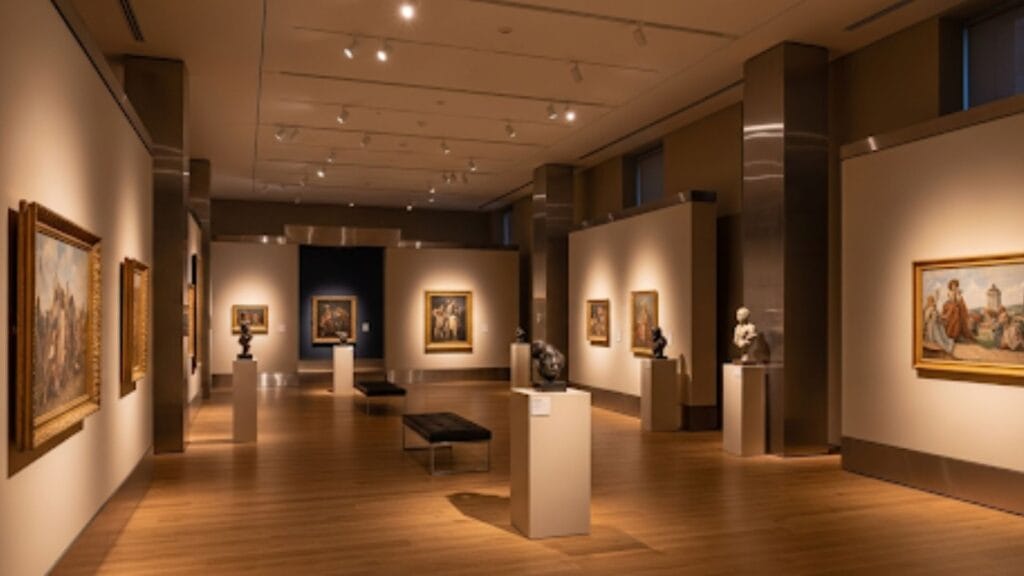
Museums are more than buildings; they are cultural guardians. The way collections are illuminated impacts how visitors connect with art, history, and culture. Museum lighting design blends science and creativity to enhance beauty while preserving delicate artifacts. Preserving Art and Artifacts Light can damage fragile items such as paintings, textiles, or manuscripts.Using low-UV and carefully controlled LED lighting prevents fading and ensures preservation for future generations. Creating Atmosphere Lighting influences mood. A dimly lit gallery can evoke mystery, while brighter lighting highlights vibrant works of art.Curators and designers use lighting to guide emotions and storytelling within each exhibition. Guiding Visitor Flow Smart lighting directs attention to specific displays. Visitors naturally follow the illuminated paths, making the exhibition experience more immersive and organized. Modern Technology in Museums Today’s museums embrace smart lighting controls, tunable white LEDs, and motion sensors. These technologies reduce energy consumption and allow flexible setups for temporary exhibitions. Enhancing Visitor Experience Good lighting makes colors vivid, textures visible, and spaces welcoming. Visitors are more likely to stay longer and return when they feel immersed in a well-lit museum environment. Museum lighting design is a powerful tool. It protects valuable artifacts, enhances storytelling, and creates unforgettable visitor experiences. Illuminate your collections the right way. Contact Illuminating Asia to design museum lighting that preserves history and captivates audiences.

Museum Lighting Design: Enhancing Art, History, and Visitor Experience Read More »