Illuminating Asia

Creating Memorable Guest Experiences with Professional Hospitality Lighting Design

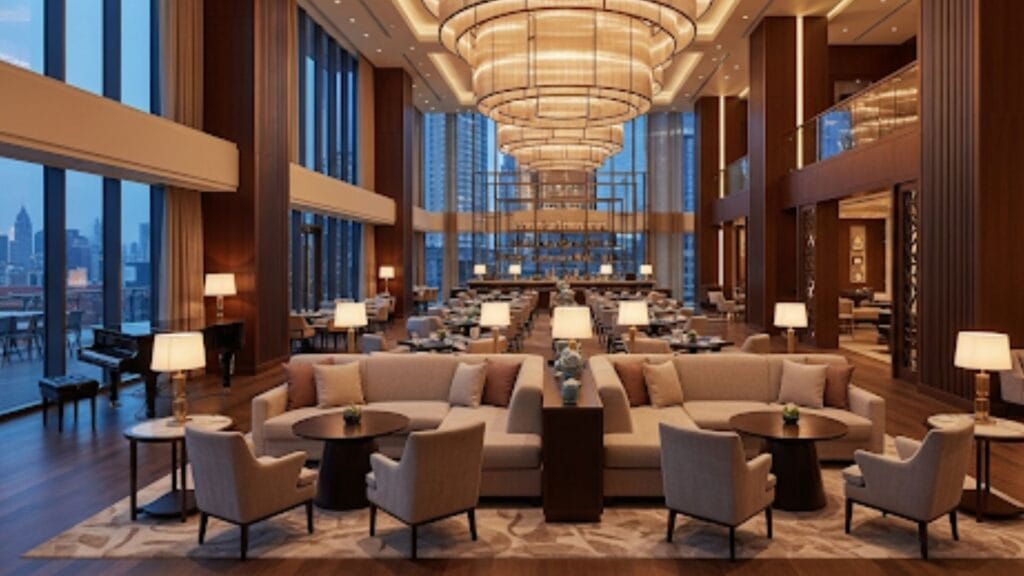
Lighting plays a crucial role in the hospitality industry, shaping how guests feel the moment they step into a space. From the warm ambiance of a hotel lobby to the intimate atmosphere of a fine-dining restaurant, professional hospitality lighting design transforms ordinary interiors into extraordinary experiences. It is not just about visibility it is about storytelling, emotion, and brand identity. Hotels and resorts often use lighting as a way to reflect their unique character. Soft, welcoming tones in reception areas invite guests to relax, while brighter, more focused lights in conference rooms ensure productivity and focus. Restaurants rely on carefully balanced illumination to highlight décor, showcase culinary creations, and encourage a sense of intimacy. Meanwhile, spas and lounges depend on soothing lighting schemes that promote tranquility and rejuvenation. Beyond aesthetics, hospitality lighting design also impacts sustainability and efficiency. Energy efficient LED fixtures and smart lighting systems reduce operational costs while supporting environmental responsibility an increasingly important value for modern travelers. With the right strategy, lighting can both elevate guest comfort and align with long-term business goals. At IlluminatingAsia, we understand that every hospitality project tells its own story. Our consultants work closely with architects, interior designers, and property owners to deliver lighting solutions that enhance both functionality and atmosphere. Whether it’s a boutique hotel, a luxury resort, or a signature restaurant, our goal is to create unforgettable experiences through light. Ready to elevate your hospitality space with world-class lighting design? Contact IlluminatingAsia today and discover how our professional solutions can create memorable experiences for your guests.

Creating Memorable Guest Experiences with Professional Hospitality Lighting Design Read More »
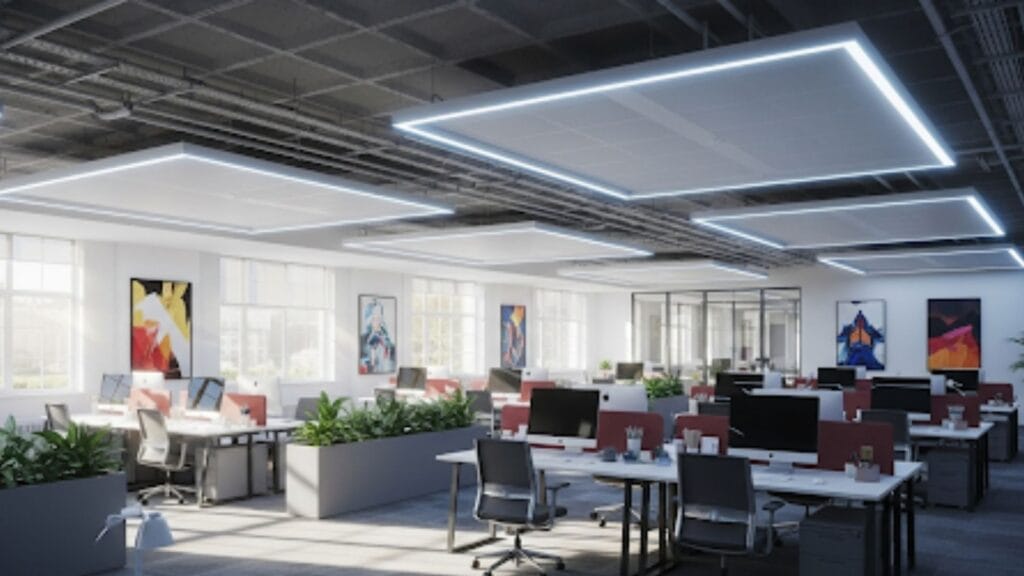
Maximizing Comfort and Efficiency with Professional Indoor Lighting Solutions

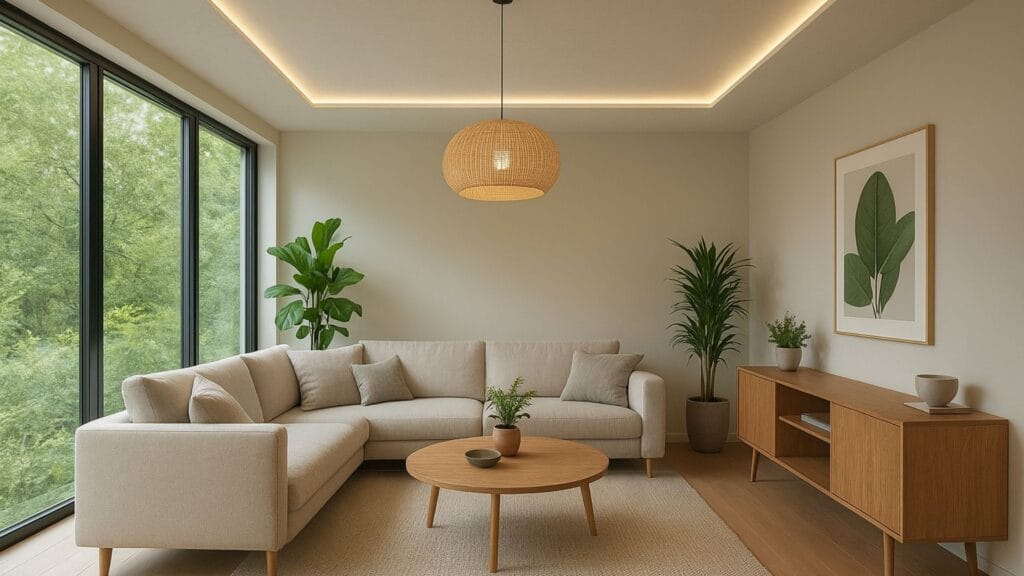
Indoor Lighting: The Heart of Modern Spaces Indoor lighting is more than just a functional feature; it is the foundation of comfort, productivity, and atmosphere in any interior. Whether in a corporate office, a residential apartment, or a learning institution, the way light is designed directly affects how people feel and interact within the space. Proper illumination enhances focus, creates warmth, and elevates the overall design. At IlluminatingAsia, we understand that lighting is not simply about brightness, but about crafting experiences that blend efficiency, aesthetics, and human well-being. When indoor lighting is poorly designed, it can cause discomfort, eye strain, and even reduce productivity. On the other hand, professional lighting solutions make a space feel alive, adaptable, and inspiring. This is why businesses, homeowners, and institutions are increasingly turning to lighting consultants to transform their environments. Balancing Functionality and Aesthetics The challenge of indoor lighting lies in finding the right balance between function and design. Offices need lighting that supports long hours of concentration, while homes demand warmth and intimacy. Retail spaces require illumination that attracts attention and highlights products, while healthcare environments need brightness that promotes safety and comfort. IlluminatingAsia approaches every project with this balance in mind. By combining advanced lighting technologies with a deep understanding of architectural aesthetics, our designs ensure that light not only serves its purpose but also adds character to the space. The Role of Indoor Lighting in Workspaces In modern offices, lighting directly influences productivity and employee well-being. Natural daylight integration, dynamic LED systems, and task-oriented fixtures create an environment that minimizes fatigue while encouraging collaboration. A workspace illuminated with professional lighting design reflects a company’s commitment to its people and its brand identity. Indoor Lighting for Homes and Lifestyle At home, lighting defines comfort. A living room with layered ambient and accent lighting feels warm and welcoming, while a kitchen with bright task lighting ensures safety and functionality. Bedrooms benefit from softer tones that encourage relaxation and restful sleep. Through thoughtful design, IlluminatingAsia creates homes where lighting adapts to lifestyle, mood, and activity. Smart and Sustainable Indoor Lighting Today’s indoor lighting is not only about design but also about sustainability. Energy-efficient LEDs, automated controls, and smart systems reduce energy consumption without compromising comfort. For businesses, this translates into lower operational costs, while for homeowners it means eco-friendly living with long-term savings. IlluminatingAsia integrates these technologies seamlessly, making indoor spaces both future-ready and environmentally responsible. While many spaces rely on standard lighting installations, the difference with professional design is undeniable. A consultant doesn’t just install lights, they create a vision. By choosing IlluminatingAsia, clients gain access to years of expertise, cutting-edge technology, and customized strategies tailored to their unique needs. From offices that inspire productivity, to residences that radiate warmth, to public and retail interiors that captivate audiences, we provide more than lighting, we provide transformation. That’s why global brands, institutions, and homeowners trust our approach to indoor lighting. Lighting is the invisible architecture of your space. With the right design, every room can become a place of comfort, inspiration, and beauty. If you are ready to reimagine your indoor environment, let IlluminatingAsia guide you with professional solutions that combine efficiency, sustainability, and timeless design.

Maximizing Comfort and Efficiency with Professional Indoor Lighting Solutions Read More »

Lighting for Heritage and Cultural Spaces: Balancing Preservation and Innovation

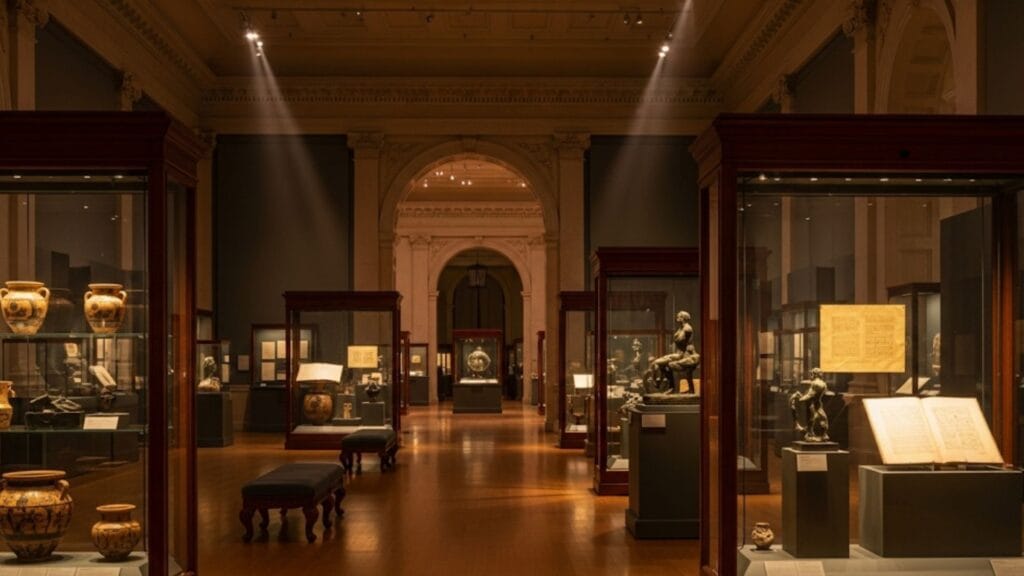
Lighting in heritage and cultural spaces carries a unique responsibility. Unlike modern interiors, these environments are often fragile, steeped in history, and hold deep cultural significance. The goal of lighting design in such contexts is not merely to illuminate but to preserve, protect, and highlight the essence of the past while embracing the possibilities of innovation. Preservation comes first in these delicate environments. Excessive brightness or exposure to ultraviolet rays can damage historic paintings, textiles, and artifacts over time. Designers often rely on specialized fixtures with filters that limit UV and infrared radiation, ensuring that the treasures of history are shielded from harm. Soft, carefully calibrated lighting levels help maintain authenticity without overwhelming the original atmosphere of the space. At the same time, innovation offers powerful tools to enhance the storytelling within cultural spaces. Dynamic lighting systems can adapt to exhibitions, performances, or guided tours, creating immersive experiences while remaining gentle on artifacts. LED technology, with its efficiency and low heat emission, has become the preferred choice, offering precise control over brightness and color temperature. Cultural heritage lighting also needs to respect the architectural integrity of historic sites. Fixtures are often designed to blend seamlessly with their surroundings, becoming almost invisible to the eye. This delicate integration ensures that attention remains on the cultural narrative rather than the technology itself. In some cases, lighting is used to reveal architectural details that might otherwise go unnoticed, subtly deepening appreciation for craftsmanship of the past. Beyond preservation and aesthetics, sustainable practices are increasingly important. Energy-efficient systems ensure that heritage sites remain accessible and affordable to maintain. When cultural institutions adopt sustainable lighting, they signal that history and the future can coexist, each benefiting the other. Striking the balance between preservation and innovation is an art form in itself. When done thoughtfully, lighting in heritage and cultural spaces becomes more than just illumination—it becomes a bridge between eras, connecting modern audiences to timeless stories while safeguarding them for generations to come. Ready to illuminate your heritage project with expert precision? At Illuminating Asia, we specialize in preservation-focused lighting design that protects cultural treasures while creating captivating visitor experiences. Contact us to discover how we can help preserve history through innovative lighting solutions.

Lighting for Heritage and Cultural Spaces: Balancing Preservation and Innovation Read More »

Sustainable Lighting: Expert Guide to Energy Efficient Design

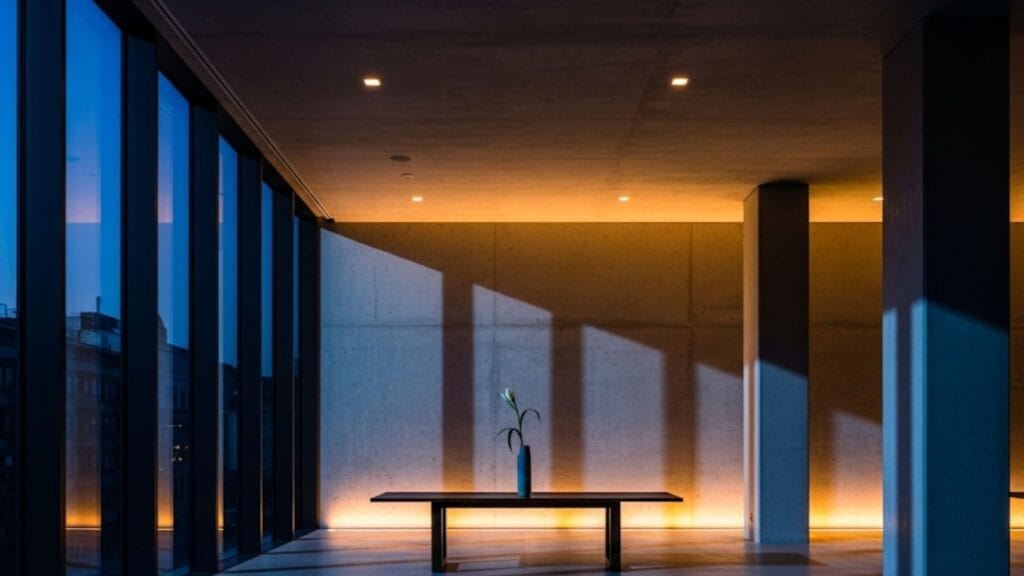
In today’s world, lighting design is no longer just about aesthetics and functionality—it has become a key element in building a sustainable future. Sustainable lighting seeks to minimize energy consumption while maximizing comfort and visual appeal, shaping spaces that are both eco-friendly and inspiring. The foundation of sustainable lighting lies in energy efficiency. The shift from traditional incandescent bulbs to LEDs has already revolutionized how we consume energy, reducing electricity use by up to 80 percent while extending lifespan. But efficiency now goes beyond choosing the right bulb. Designers are incorporating smart lighting systems that automatically adjust brightness and color temperature based on occupancy and natural daylight levels, ensuring energy is used only when needed. Natural light plays a vital role in eco-conscious design. By maximizing daylight through large windows, skylights, and reflective surfaces, spaces can rely less on artificial lighting during the day. This not only reduces energy use but also improves human well-being by aligning with natural circadian rhythms. The integration of daylight with responsive artificial systems creates a balanced environment that feels dynamic and alive. Material choice is also central to sustainability. Fixtures made from recycled metals, bamboo, or biodegradable plastics reflect a growing commitment to reducing waste and promoting circular design. Modular lighting systems are being introduced to allow components to be replaced or upgraded without discarding the entire fixture, extending product life while reducing environmental impact. Sustainable lighting does not mean compromising beauty or innovation. In fact, it often leads to more creative solutions. From solar-powered garden lights to architectural features that merge with natural surroundings, eco-friendly lighting design demonstrates that efficiency and elegance can coexist. Spaces illuminated this way not only conserve resources but also tell a story of responsibility and awareness. Designing eco-friendly and energy-efficient spaces is a collaborative process that combines technology, creativity, and consciousness. As the demand for greener solutions grows, sustainable lighting will continue to evolve, leading us toward a future where every light we switch on is a step closer to harmony with our planet. Ready to implement sustainable lighting in your project? The experts at Illuminating Asia  specialize in creating energy-efficient lighting solutions that don’t compromise on beauty.

Sustainable Lighting: Expert Guide to Energy Efficient Design Read More »

A Beginner’s Guide to Architectural Lighting Design

Lighting plays a crucial role in shaping how we perceive and experience architectural spaces. It is more than just a tool to illuminate a room; it is a design element that defines mood, highlights structure, and enhances both function and aesthetics. Architectural lighting design bridges the gap between art and science, ensuring that spaces are not only visible but also engaging and meaningful. At its core, architectural lighting design is about balancing form and function. Good lighting should bring out the character of a building while supporting the activities that take place within it. For example, a museum may rely on precise lighting to emphasize artworks while keeping the surrounding environment subtle and neutral. In contrast, a retail store might use dynamic, bright lighting to draw attention to products and create a lively shopping atmosphere. A key principle in architectural lighting is layering. Designers often use three layers: ambient lighting for overall illumination, task lighting to support specific activities, and accent lighting to highlight architectural features or create focal points. When combined thoughtfully, these layers create depth, balance, and visual harmony. Another essential aspect is color temperature. Warm light, typically around 2700K to 3000K, creates a cozy and inviting atmosphere, making it perfect for residential spaces, restaurants, or hotels. On the other hand, cooler light, ranging from 4000K to 6000K, promotes concentration and alertness, making it suitable for offices, classrooms, and healthcare facilities. Understanding how color temperature influences human emotions and behavior is a vital skill for any lighting designer. Sustainability also plays an increasingly important role in architectural lighting. With advancements in LED technology and smart lighting systems, designers can now create energy-efficient solutions without compromising aesthetics. Smart controls allow for adaptive lighting that changes throughout the day, reducing energy use while supporting human comfort and productivity. Ultimately, architectural lighting design is about storytelling through light. It guides how people move through a space, what they notice, and how they feel. Whether it is the dramatic play of light and shadow in a theater, the welcoming glow of a hotel lobby, or the calm and focus inspired by a well-lit office, lighting transforms architecture from static structures into living, breathing experiences. For beginners, the journey into architectural lighting design starts with observation. Pay attention to how different spaces make you feel and notice how lighting contributes to that experience. By studying principles of layering, color temperature, and sustainability, anyone can begin to appreciate and apply the art of lighting design. Lighting is more than illumination, it’s an experience. If you’re ready to transform your space with thoughtful and sustainable lighting design, explore our services at Illuminating Asia and let us help you create an environment that inspires, comforts, and performs.

A Beginner’s Guide to Architectural Lighting Design Read More »

The Science of Light: How Lighting Shapes Human Emotions and Productivity

Lighting is more than just illumination. It is a science that affects our health, emotions, and productivity on a daily basis. From regulating our biological rhythms to enhancing creativity, light has the power to shape the way we live and work. 1. The Biological Connection Between Light and Humans Our bodies are naturally tuned to light through the circadian rhythm, an internal clock that regulates sleep, energy, and alertness. When exposed to natural daylight or well-designed artificial lighting, people experience improved focus, balanced sleep cycles, and better overall well-being. 2. Mood Enhancement Through Lighting Lighting has a profound effect on emotions. Warm white light (2700K–3000K) creates a sense of comfort and relaxation, making it ideal for spaces such as living rooms, bedrooms, and restaurants. In contrast, cool white light (4000K–6000K) promotes focus and alertness, which is why it is commonly used in offices, classrooms, and healthcare facilities. Choosing the right color temperature can help reduce stress, uplift mood, and even support overall mental well-being. 3. Productivity and Workplace Performance In work environments, lighting directly influences concentration and efficiency. Poor lighting leads to eye strain and fatigue, while smart adaptive lighting systems adjust brightness and color temperature throughout the day to align with human needs, boosting productivity and comfort. 4. The Role of Lighting in Creativity and Innovation Dynamic lighting, where intensity and tone shift naturally throughout the day, encourages creativity and problem-solving. This is why modern offices and innovation hubs use tunable lighting systems to simulate natural daylight indoors. 5. Practical Tips for Everyday Spaces Maximizing daylight wherever possible is the first step to creating a healthier and more inviting home. Natural light not only reduces energy consumption but also enhances mood and productivity. In areas designed for relaxation, warm lighting helps create a cozy and calming atmosphere, while cooler tones are better suited for workspaces where focus and clarity are essential. To add flexibility and improve efficiency, smart lighting controls can be installed, allowing you to easily adjust brightness and color according to your needs. Above all, it’s important to remember that lighting has a profound psychological impact, so every design choice should take into account how light influences comfort, energy, and overall well-being. Light is more than a tool—it is a silent influencer of human emotions and productivity. By understanding the science of light, architects, designers, and everyday users can create environments that not only look good but also make people feel and perform better. Lighting is more than just a functional element in our daily lives—it influences how we feel, think, and perform. From boosting productivity in workplaces to creating comfort at home, the science of light proves that the right design choices can dramatically transform our well-being. If you are looking to explore professional lighting solutions that merge science with design, visit Illuminating Asia. With innovative concepts and high-quality products, they bring to life the emotional and functional potential of lighting in every space.

The Science of Light: How Lighting Shapes Human Emotions and Productivity Read More »