Editorial

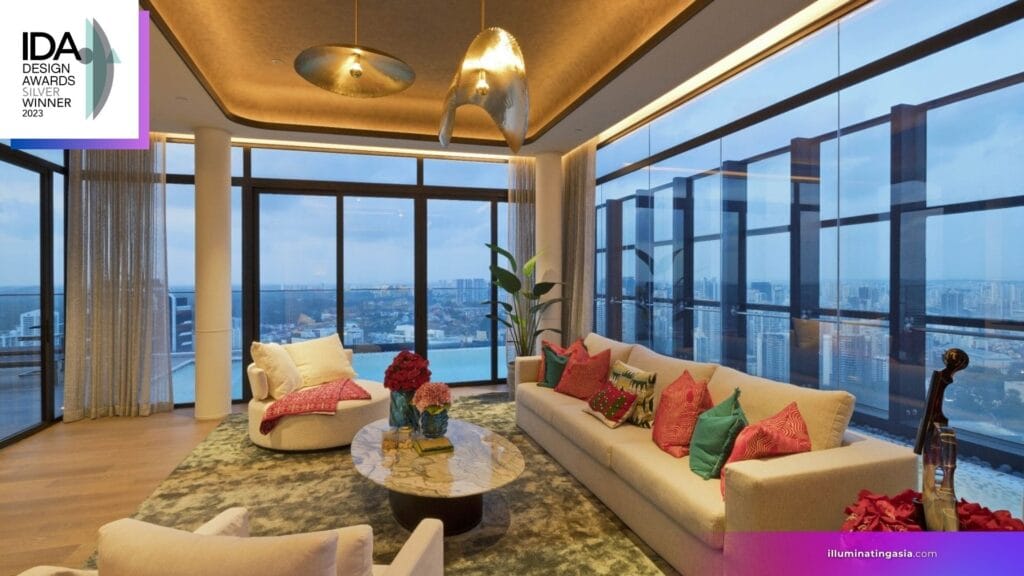
Silver Award for Luxurious Lighting Design at The Ritz Carlton Residences Penthouse

Illuminating Asia Wins Silver Award for Luxurious Lighting Design at The Ritz Carlton Residences Penthouse Illuminating Asia Sg Pte Ltd has been honored with a Silver Award in Residential Interior Design / Residential Lighting for its outstanding work on the prestigious Ritz Carlton Residences Penthouse at 65 Cairnhill Road, Singapore. This recognition celebrates the company’s exceptional approach to lighting design, seamlessly marrying innovation with elegance in one of Singapore’s most luxurious addresses. Led by SiewYing Chan and supported by the skilled design team including Stanley Tay Wee King, the project exemplifies a refined blend of modern minimalist lighting and bespoke luxury. Nestled in the heart of the prime Cairnhill district, the penthouse boasts a 360-degree panoramic city skyline view, serving as a canvas for a sophisticated lighting concept that enhances both day and night experiences. The lighting strategy was built around warm white 2700K CRI90 lighting, delivering a soft, soothing glow throughout both indoor and outdoor spaces. Thoughtful placement of lighting fixtures not only emphasizes architectural details but also creates a serene ambience that aligns with the lifestyle of discerning homeowners. A standout feature is the exclusive master bedroom, transformed into a tranquil oasis with ambience lighting and a water-wave designer pendant light. The customized oyster pearl wall finish evokes the calmness of an underwater sanctuary, providing a peaceful retreat from the urban buzz. The living and dining areas further elevate the sense of luxury with an opulent mix of gold accents, a rustic gold-painted ceiling, mahogany wood flooring, and beige-toned furniture—all subtly enhanced by the lighting design to create a warm, glamorous environment. The project was captured by Amaranthine Photos, bringing to life the essence of understated sophistication that defines the space. This award underlines Illuminating Asia’s commitment to excellence in lighting design, and its capability to transform high-end residences through thoughtful, human-centric illumination. Read More : https://www.idesignawards.com/winners/zoom.php?eid=9-47707-23

Silver Award for Luxurious Lighting Design at The Ritz Carlton Residences Penthouse Read More »

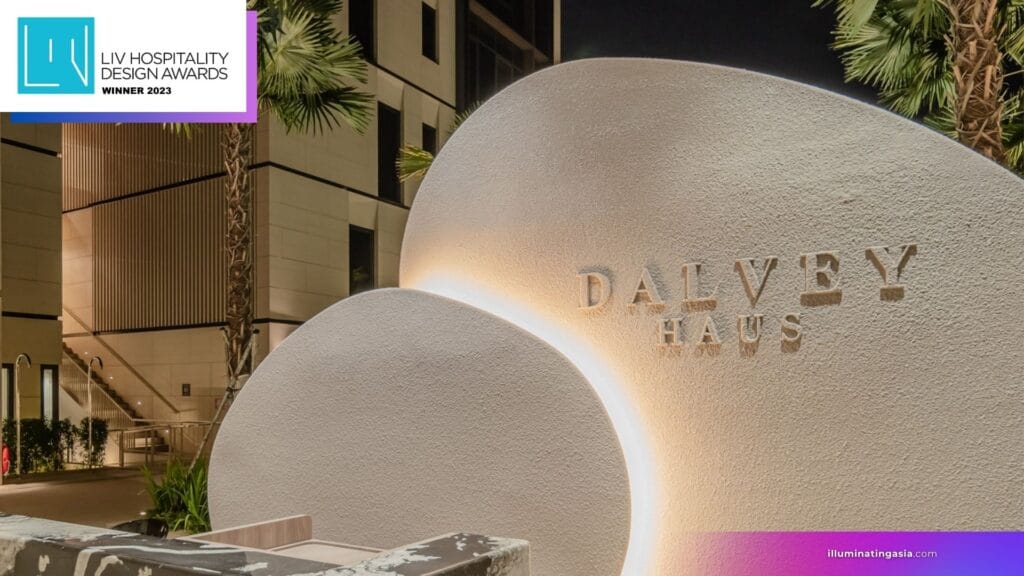
Dalvey Haus Winner in Architectural Design Asia

Winner in Architectural Design Asia, Liv Hospitality Design Awards Situated in Singapore District 10’s prestigious Good Class Bungalow enclave, Dalvey Haus is a freehold luxury condominium near the Tanglin-Orchard district and the UNESCO Heritage Site, the Singapore Botanic Gardens. Comprising two low-rise blocks, Dalvey Haus offers an exclusive collection of 17 units. The project’s design principles revolve around sustainability, functionality, and a seamless connection with the surrounding environment, reflecting a commitment to progressive and forward-thinking design. The clean architectural lines and the cubic structure of the residential development was juxtaposed against the foliage of the surroundings, further alluding to the concept of merging Dalvey’s dynamic richness with the lush greenery that surrounds it. The façade, finished with grounded stone has inset windows placed in strategic locations, in order to create multiple vantage points that frame the views of the surrounding environment. The pared-down look is a timeless façade that concentrates on the details and articulations, exuding tranquility and tropical lushness, where elegance pervades. Bio The premise of eco.id, a multidisciplinary practice founded in 1996, is a modern and progressive approach to design. The firm’s comprehensive suite of services range from master planning and architecture to interior design and branding, and project typologies that span high-rise luxury condominiums and detached dwellings to retail boutiques, hotels and resorts. Regardless of scale, the emphasis is always on balancing aesthetics with rigour, and program with budget. Article https://livawards.com/winner/2020/3/1022/0/

Dalvey Haus Winner in Architectural Design Asia Read More »

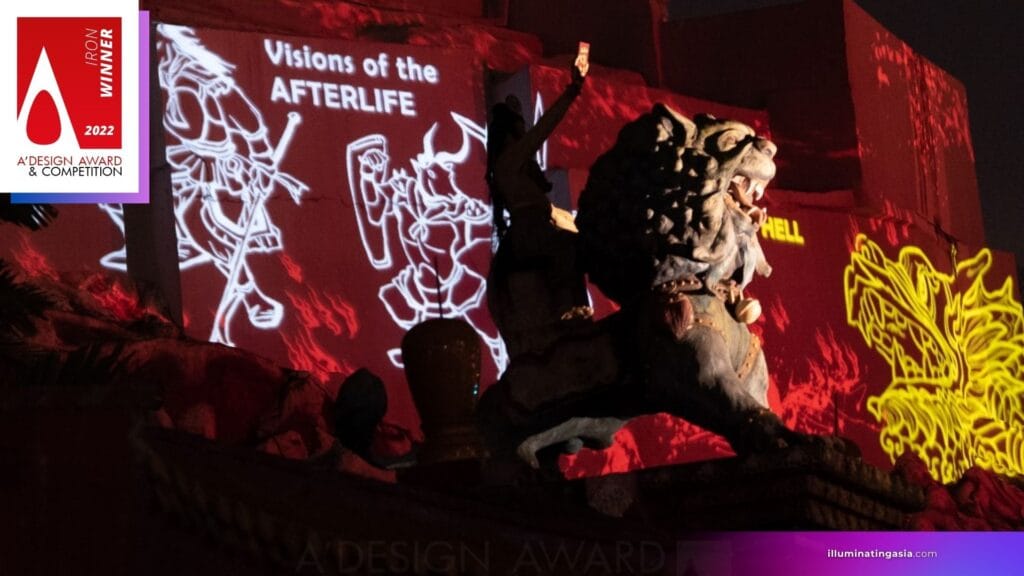
Haw Par Villa Heritage Lighting Wins Iron at the A’ Lighting Products and Fixtures Design Award 2022

Stanley Tay Wee King wins Iron at the prestigious A’ Lighting Products and Fixtures Design Award with Haw Par Villa Heritage Lighting. ITALY — /DESIGN/newswire — May 12, 2022 Stanley Tay Wee King’s groundbreaking Lighting sets new standards for innovation and excellence, earning prestigious Iron A’ Design Award recognition in the A’ Lighting Products and Fixtures Design Competition. In a significant acknowledgment of design excellence and innovation, it has been officially announced that “Haw Par Villa Heritage Lighting” by Stanley Tay Wee King has been distinguished with the iron award status at the prestigious A’ Design Awards for the year 2022, in the highly competitive lighting products and fixtures design category. This distinction honors the remarkable design quality and innovative approach embodied in the creation. The Iron A’ Design Award not only underscores the exceptional design and conceptual prowess of the Haw Par Villa Heritage Lighting but also emphasizes the influential role of Singapore Tourism Board in elevating standards within the lighting domain. The visionary behind “Haw Par Villa Heritage Lighting” Stanley Tay Wee King, has been acknowledged for their dedication to pushing the boundaries of design. A deeper look into their portfolio and philosophy can be found at their designer.org profile, showcasing a commitment to excellence and innovation. To explore “Haw Par Villa Heritage Lighting” and its groundbreaking design features further, interested parties are invited to visit the design|newsroom where high resolution images, multimedia content, interviews and translations are available for the award-winning lighting.   About Haw Par Villa Heritage Lighting Haw Par Villa is a 8.5 ha conservation heritage park in Singapore built in the 1930s. Over the years, visitorship to the park fell steadily due to changing tastes and general neglect. The brief was to use lighting to enliven the stories for the new generation and make them relevant again. As the lighting design and main implementation consultant, Illuminating Asia transformed over 20 heritage artefacts through artful lighting, and made the park welcoming. It’s a culmination of electrical engineering, story-telling, lighting design, and problem-solving.   About A’ Design Awards The A’ Design Award & Competition, celebrated worldwide for honoring superior design, distinguishes itself through a rigorous evaluation process conducted by a panel of industry experts, journalists, and academics. The A’ Design Award celebrates the diversity and innovation of designs across various categories. A’ Lighting Products and Fixtures Design Award honors outstanding design of chandeliers, pendant lights, wall sconces, table lamps, floor lamps, outdoor lights, recessed lights, track lights and more. Related Websites: https://designnewsroom.com/!126012 https://designer.org/!309389 https://designnewswire.com/n/309389

Haw Par Villa Heritage Lighting Wins Iron at the A’ Lighting Products and Fixtures Design Award 2022 Read More »

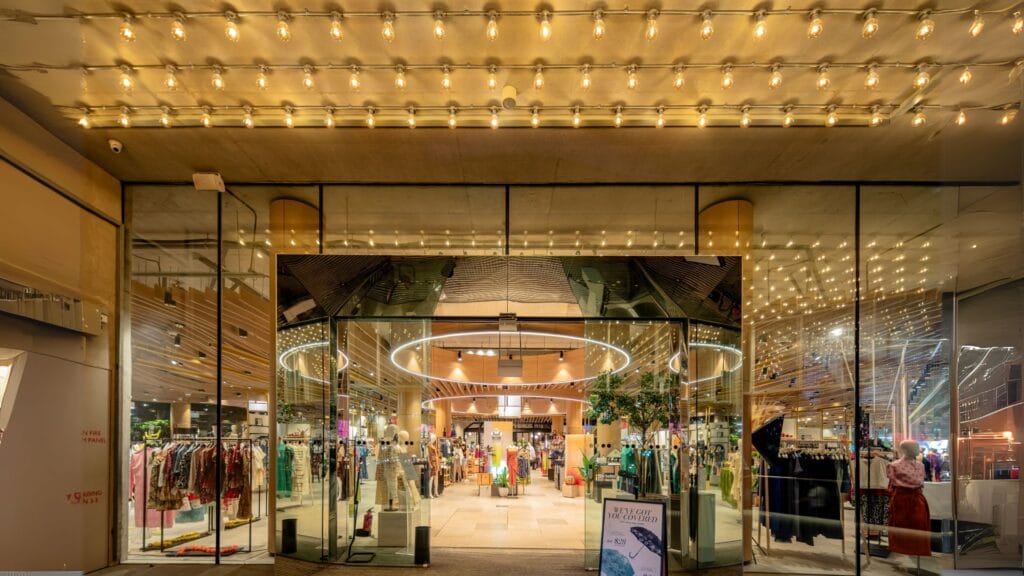
Design Orchard – Architecture with Precision Lighting

A Symphony of Light and Structure Our lighting design for Design Orchard embodies grandeur and elegance, transforming the space into a welcoming yet impressive environment. From the moment shoppers arrive, a distinctive installation of classic filament bulbs draws attention at the entrance—layered with depth and visual intrigue. This striking feature sets the tone for a sophisticated retail experience. Entrance Feature: Warm Glow & Precision Design We showcased the entrance with a precise dot arrangement of LED bulb fixtures, casting a warm and inviting glow. The use of a 2700K color temperature enhances this ambiance, creating a visually harmonious space that feels both intimate and grand. Each bulb’s placement was meticulously calculated to complement the architectural scale, ensuring a balanced and proportional design. Main Atrium: A Refresh of Grandeur To enhance the sense of majesty in the main atrium, we carried out a strategic lighting refresh. Linear lighting was seamlessly integrated into the signature wooden ring structure—emphasizing its form while elevating it as a central architectural feature. All existing spotlights were upgraded to high-performance luminaires, producing a vibrant and well-defined layered ambiance. Enhancing Brightness with Layered Illumination Additional surface-mounted downlights were thoughtfully positioned throughout the atrium to elevate overall brightness without overwhelming the space. This layered approach enhances visual comfort while maintaining a luxurious and immersive atmosphere. A Lighting Statement in Brutalist Architecture The overall concept balances aesthetic appeal with functional performance, paying homage to the building’s brutalist industrial architecture. Through thoughtful illumination, we created a warm and sophisticated atmosphere that invites connection and elevates the retail experience. The result is a lighting design that stands as an iconic artistic expression—using light not just as illumination, but as a medium for storytelling and engagement.

Design Orchard – Architecture with Precision Lighting Read More »

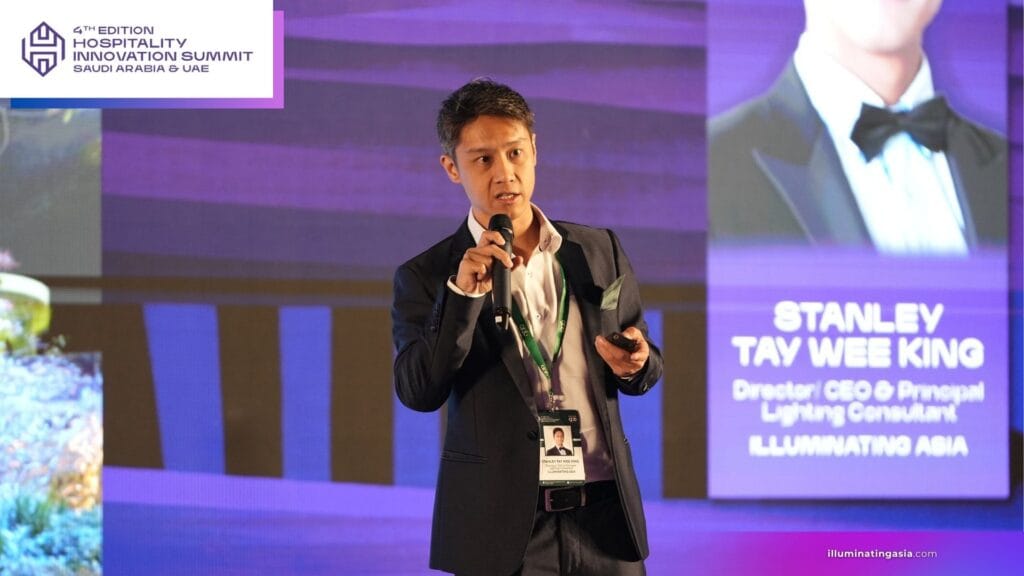
Lighting the Future of Hospitality: Our Experience at the Hospitality Innovation Summit 2025

Last week, our team at Illuminating Asia had the privilege of participating in the 4th Edition Hospitality Innovation Summit (HIS) in Dubai. Held at the Hilton Dubai Al Habtoor City, the event brought together hospitality leaders and innovators from across Saudi Arabia and the UAE to explore how design, sustainability, and technology are shaping tomorrow’s guest experiences. One of the highlights for us was introducing HeatSig™, our newly patented innovation that merges thermal sensing with lighting systems. Imagine a lighting solution that not only elevates ambience but also: Tracks crowd density and heat maps in real time Enhances wellness monitoring in sensitive hospitality environments Detects emergencies such as falls, ensuring faster response times As Stanley Tay, CEO of Illuminating Asia, explained: “HeatSig™ goes beyond lighting—it is about enhancing wellness, safety, and the overall hospitality experience. We see it as a bridge between design and technology, helping operators deliver exceptional service.” From a marketing perspective, Binar Atmaja, Marketing Strategist at Illuminating Asia, added: “HIS 2025 was the perfect stage to introduce HeatSig™. The Middle East is rapidly growing in luxury tourism and smart city developments, and our innovation speaks directly to the region’s needs for intelligent, design-forward solutions.” The summit was also a fantastic opportunity for us to connect with hoteliers, architects, and developers across the region. From conversations on luxury resort design to discussions about smart cities in Saudi Arabia and the UAE, it’s clear that lighting is playing a bigger role than ever in shaping guest experiences. For us, light has never been just about illumination—it’s about creating moments, emotions, and experiences. With HeatSig™, we’re excited to take that vision further into the future of hospitality.

Lighting the Future of Hospitality: Our Experience at the Hospitality Innovation Summit 2025 Read More »

How Distance of Light with Membrane Creates Different Effects

Lighting design is an art and a science. One key factor in shaping the mood, ambiance, and functionality of a space is the distance between the light source and the surface it interacts with, like a membrane or diffuser. This distance influences how light is distributed, perceived, and experienced. Let’s dive into the science and art behind this phenomenon. The Science Behind Light and Distance When light travels, its intensity, spread, and effect are directly impacted by the distance between the source and the membrane it interacts with. Here’s how: Short Distance: Creates a concentrated, intense light. Highlights textures and details on the surface of the membrane. Works well for task lighting or creating a dramatic effect. Medium Distance: Provides a balanced diffusion of light. Softens shadows and reduces glare. Ideal for general ambient lighting. Long Distance: Produces a wide spread of light. Creates a gentle, uniform glow. Perfect for creating a relaxing atmosphere, like indirect ceiling lighting. Visual Effects and Applications The distance between the light and membrane is a powerful tool for designers. Different distances can evoke various emotions and serve specific purposes: Close Proximity for Accents: Spotlights or pendant lights placed close to membranes create focused, dramatic lighting. Perfect for highlighting artwork, architectural features, or objects. Balanced Diffusion for Soft Ambiance: Placing the light at a medium distance creates a cozy, welcoming glow. Used in living rooms, bedrooms, or dining areas. Far Distances for Indirect Illumination: Light placed far from the membrane results in an even, diffused glow that softens the entire space. Works well for cove lighting, backlighting, or creating serene environments. How to Adjust Lighting for Optimal Effects To achieve the best results, consider these tips: Experiment with Angles and Distance: Adjust the light source’s distance to test the intensity and diffusion. Small changes can make a significant difference. Use High-Quality Membranes: Diffusers or membranes with optimal material properties can enhance the spread and soften harsh lighting. Incorporate Dimmable Lighting: This allows you to fine-tune brightness and adapt to different needs or moods. Why Choose Illuminating Asia? At Illuminating Asia, we specialize in creating bespoke lighting solutions tailored to your needs. Our expertise in balancing light distance and diffusion ensures: Functional and Aesthetic Excellence: Every space is both practical and visually stunning. Custom Solutions: Designs that match your unique vision and requirements. Energy Efficiency: Sustainable lighting systems that conserve energy while elevating your space. Let us help you bring your vision to light. DM us for a free consultation today!  

How Distance of Light with Membrane Creates Different Effects Read More »

Lighting for Better Sleep: The Science Behind It

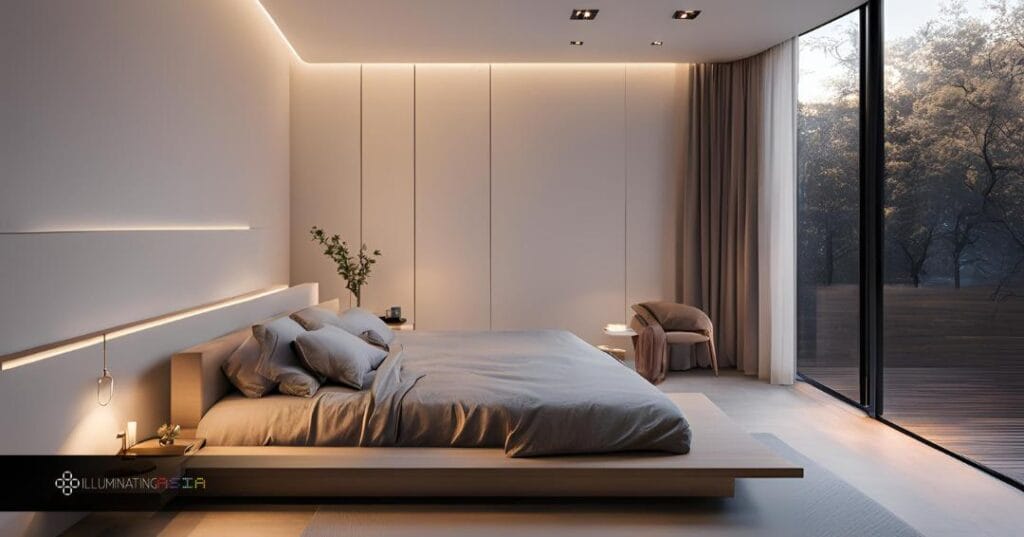
Sleep is vital for physical and mental health, yet many people struggle to get enough restful sleep. Surprisingly, the lighting in your environment plays a significant role in influencing your sleep quality. By understanding the science of light and its impact on the body, you can create an optimal sleep-friendly space that promotes relaxation and supports healthy sleep patterns. Illuminating Asia offers innovative lighting solutions designed to align with your needs and enhance your well-being. How Light Affects Your Sleep Cycle The relationship between light and sleep is deeply rooted in human biology. The body’s internal clock, or circadian rhythm, relies on light exposure to regulate sleep and wake cycles. Here’s how it works: The Role of Blue Light Blue light, commonly emitted by screens and LED lights, suppresses melatonin production—the hormone responsible for sleep. While blue light boosts alertness during the day, exposure at night can disrupt sleep cycles. Melatonin and Darkness Melatonin production increases in darkness, signaling the body that it’s time to sleep. Bright or cool-toned lighting in the evening can delay this process, making it harder to fall asleep. The Importance of Warm Lighting Warm, amber-toned lighting mimics sunset hues and promotes relaxation. This type of lighting helps prepare the body for rest by encouraging natural melatonin production. Optimizing Lighting for Better Sleep Creating a sleep-friendly environment involves carefully choosing and adjusting your lighting. Here are some tips to transform your bedroom into a sanctuary of rest: 1. Use Dim and Warm Lights in the Evening Transition to dim, warm lighting (2700K or lower) an hour before bedtime. This mimics natural evening light and signals your body to wind down. 2. Invest in Smart Lighting Systems Smart lighting systems with tunable settings allow you to adjust brightness and color temperature throughout the day. For example, Illuminating Asia’s smart lighting solutions can automatically shift from cool, energizing light during the day to warm, relaxing light at night. 3. Minimize Blue Light Exposure Limit the use of devices like phones, tablets, and laptops before bed. Consider installing blue light filters or using blue light-blocking glasses. 4. Install Blackout Curtains External light pollution can interfere with sleep. Use blackout curtains to create a dark and serene environment. 5. Incorporate Night Lights Strategically Opt for low-intensity night lights with a warm glow for pathways or bathrooms to avoid disrupting your sleep when you wake up at night. The Science of Circadian Lighting Circadian lighting is designed to mimic the natural progression of sunlight throughout the day. By aligning artificial lighting with your body’s internal clock, circadian lighting supports better sleep and overall health. For example: Morning Light: Bright, cool-toned lighting (4000K-5000K) energizes and prepares you for the day. Evening Light: Soft, warm-toned lighting (2000K-2700K) promotes relaxation and melatonin production. Illuminating Asia specializes in circadian lighting solutions tailored to residential and commercial spaces, ensuring your environment supports optimal health and productivity. Why Choose Illuminating Asia? At Illuminating Asia, we understand the science of lighting and its profound impact on your quality of life. Our team designs customized lighting systems that balance functionality, aesthetics, and well-being. From innovative smart lighting solutions to circadian-focused designs, we help create spaces that enhance your comfort and health. Our Key Offerings: Expert lighting consultation and design. Smart lighting systems with tunable settings. Energy-efficient and sustainable solutions. Customizable options for homes, offices, and hospitality spaces. Conclusion Lighting is more than just a functional necessity—it’s a powerful tool that influences your sleep and overall health. By optimizing your lighting for better sleep, you can enjoy deeper rest, improved mood, and enhanced well-being. Partner with Illuminating Asia to create a lighting solution that aligns with your needs and transforms your living space into a haven of relaxation.

Lighting for Better Sleep: The Science Behind It Read More »

How Lighting Affects Productivity in Workspaces: Insights from Illuminating Asia

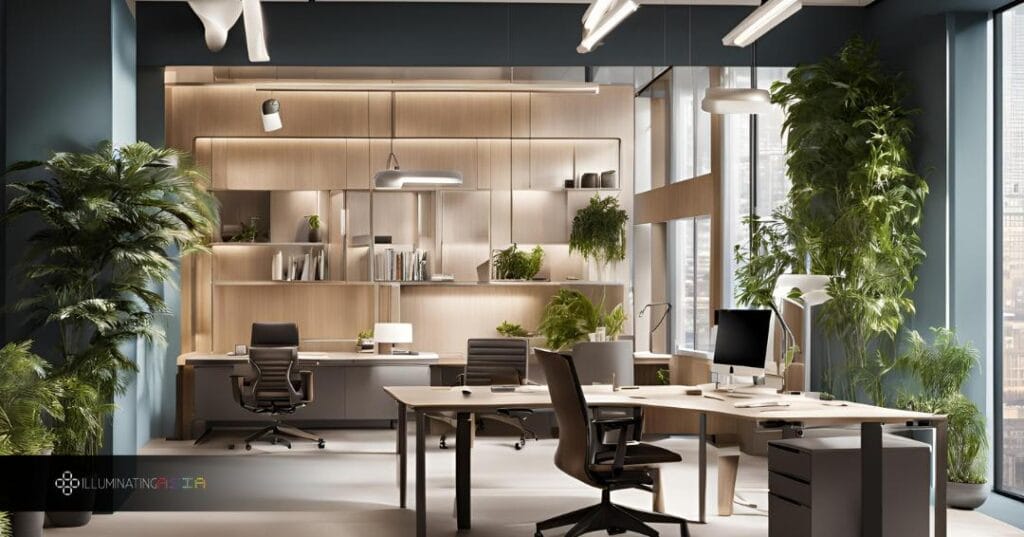
The modern workspace is a hub of activity, creativity, and collaboration. However, one often-overlooked factor in designing an effective office environment is lighting. The quality, type, and placement of lighting can have a profound impact on productivity, employee well-being, and overall efficiency. At Illuminating Asia, we specialize in creating lighting solutions tailored to optimize workspaces, helping businesses thrive by improving their environments through innovative lighting designs. The Science Behind Lighting and Productivity Lighting influences more than just the appearance of a workspace—it directly impacts how people feel and perform. Research has shown that lighting affects our circadian rhythms, energy levels, and mood, all of which play a role in productivity. Natural Light and Focus: Exposure to natural light helps regulate the body’s internal clock, keeping employees alert and focused. Workspaces with large windows or skylights report higher productivity levels and greater job satisfaction. Natural light also reduces eye strain and improves overall comfort, leading to fewer breaks and greater efficiency. Artificial Lighting for Long Hours: While natural light is ideal, artificial lighting is often necessary in office environments. The challenge is to replicate the benefits of sunlight while minimizing glare and eye strain. At Illuminating Asia, we design lighting systems that balance natural and artificial light to create an optimal working environment. Choosing the Right Lighting for Workspaces Different types of lighting affect productivity in unique ways. Selecting the appropriate lighting depends on the nature of the work being performed and the layout of the space. Task Lighting: Focused lighting, such as desk lamps, is essential for tasks that require attention to detail, like reading or writing. Task lighting should be bright enough to prevent eye strain but not so harsh that it causes discomfort. Ambient Lighting: General overhead lighting provides the foundational illumination for a workspace. Even, diffused lighting reduces shadows and glare, ensuring a comfortable environment for extended periods. Accent Lighting: Used to highlight specific areas or elements, such as artwork or branding, accent lighting adds depth and dimension to a workspace, making it visually appealing and inspiring. At Illuminating Asia, we incorporate these elements into our lighting designs, ensuring a cohesive and functional workspace that fosters productivity. Color Temperature and Its Impact on Productivity Color temperature, measured in Kelvins (K), plays a critical role in determining how lighting affects productivity: Cool White Light (4000K–5000K): This range is ideal for workspaces, as it mimics daylight and promotes alertness and concentration. It’s particularly useful in offices, conference rooms, and areas where focus is paramount. Warm Light (2700K–3000K): While warm lighting creates a cozy atmosphere, it is less suitable for tasks that require sustained attention. However, it can be strategically used in breakout areas or lounges to encourage relaxation and creativity. Adjustable Lighting: Modern lighting solutions offer tunable options that allow users to adjust the color temperature based on the time of day or specific tasks. This flexibility enhances productivity by aligning with employees’ natural energy levels throughout the day. Illuminating Asia utilizes advanced lighting technologies to design customizable lighting systems, ensuring maximum productivity and employee satisfaction. The Role of Lighting in Reducing Fatigue and Errors Poor lighting can lead to fatigue, headaches, and eye strain, all of which negatively impact productivity. Insufficient lighting causes employees to squint or strain their eyes, while overly bright or harsh lighting creates discomfort and distraction. By investing in high-quality, energy-efficient lighting, businesses can create environments that reduce errors and boost accuracy. For example, evenly distributed lighting minimizes shadows, ensuring that employees can work comfortably without unnecessary strain. At Illuminating Asia, we assess the specific needs of each workspace and implement solutions that enhance comfort and efficiency. Our designs consider factors like glare reduction, uniformity, and placement to create a balanced lighting environment. Smart Lighting: The Future of Productive Workspaces The rise of smart lighting technology has revolutionized workspace design. Smart systems can adjust brightness, color temperature, and even lighting schedules automatically, based on occupancy or the time of day. These features not only save energy but also create a dynamic environment that adapts to the needs of employees. For example, a smart lighting system might provide cooler light in the morning to energize employees and gradually transition to warmer tones in the afternoon to promote relaxation. Motion sensors and timers further enhance energy efficiency while maintaining optimal lighting conditions. Illuminating Asia offers cutting-edge smart lighting solutions that combine functionality with sustainability, helping businesses stay ahead in today’s competitive landscape. Lighting Design for Collaboration and Creativity Lighting not only impacts individual productivity but also influences collaboration and creativity. Bright, open spaces with plenty of natural and artificial light encourage teamwork and idea-sharing. On the other hand, private workspaces benefit from focused lighting that minimizes distractions. Breakout areas, lounges, and creative spaces often benefit from warmer, softer lighting to foster relaxation and innovative thinking. By designing lighting that aligns with the purpose of each area, businesses can create an environment that supports both collaboration and individual focus. At Illuminating Asia, we design holistic lighting plans that cater to diverse workplace needs, ensuring that every corner of the office contributes to productivity and well-being. Conclusion: Illuminating Asia’s Expertise in Lighting for Productivity Lighting is a critical factor in creating workspaces that promote productivity, reduce fatigue, and enhance employee satisfaction. By understanding the science of lighting and applying it to workspace design, businesses can unlock their full potential and create environments that inspire success. At Illuminating Asia, we are committed to providing innovative lighting solutions that elevate workspaces and empower businesses. Whether you’re designing a new office or upgrading an existing space, our expertise ensures that your lighting not only meets functional requirements but also enhances productivity and well-being.

How Lighting Affects Productivity in Workspaces: Insights from Illuminating Asia Read More »

How Lighting Affects Mood: Enhancing Your Environment with Lighting Design

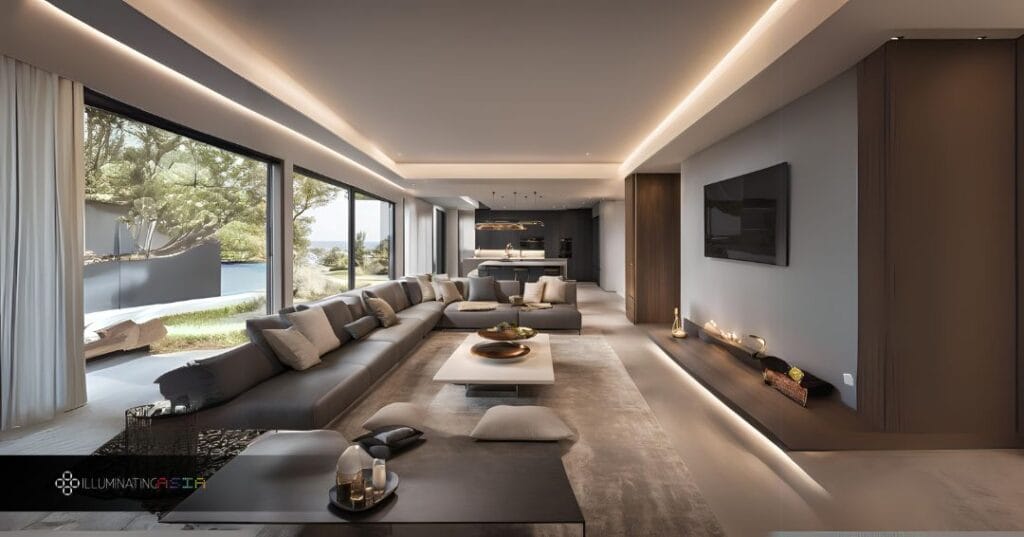
Lighting plays a pivotal role in shaping the ambiance of a space and directly affects the emotional well-being of those within it. The right lighting can bring a sense of calm and relaxation, foster productivity, or create an inviting atmosphere for social gatherings. While natural light is often celebrated for its many benefits, artificial lighting can also be carefully designed to replicate and enhance those effects, offering the flexibility to tailor lighting to suit various moods and activities. At Illuminating Asia, we specialize in creating personalized lighting solutions that not only enhance the functionality of your space but also evoke the right emotional responses. Lighting and Emotional Well-Being: The Psychological Effects of Light Human beings have a deep connection to light, and it impacts us on both a physiological and psychological level. Lighting can influence our mood, productivity, energy levels, and even our sleep patterns. For example, bright and cool lighting can be energizing, helping us focus and stay alert, which is why it’s often used in workspaces. In contrast, soft, warm lighting tends to be more relaxing and inviting, which is why it’s commonly used in living rooms and bedrooms. Scientific studies have shown that the color temperature of light—measured in Kelvins (K)—can affect our mood. For instance, daylight or cool white light (4000K–5000K) is known to increase concentration and alertness, making it ideal for areas where focus is required, such as offices, kitchens, or study areas. On the other hand, warm white light (2700K–3000K) creates a cozy, relaxing atmosphere, making it perfect for lounges, bedrooms, and other spaces where comfort is key. Illuminating Asia understands the power of lighting to enhance mood and well-being. By carefully selecting the right color temperature and light intensity, we can create spaces that support both function and emotion. The Role of Natural Light in Mood Enhancement Natural light is one of the most effective mood enhancers. It helps regulate our circadian rhythms, contributing to better sleep, increased energy levels, and improved mood. Exposure to natural sunlight during the day boosts serotonin levels in the brain, leading to feelings of happiness and well-being. However, natural light can be difficult to access in certain environments. Large buildings, deep rooms, and urban spaces often lack sufficient natural light, which can leave the space feeling dark, dreary, and uncomfortable. At Illuminating Asia, we design lighting systems that complement natural light by filling in gaps and creating a balanced illumination that improves mood and productivity. Incorporating windows, skylights, and reflective surfaces into your interior design allows more natural light to flood the space. But during evenings or on cloudy days, artificial lighting takes on the important role of creating a consistent, comfortable lighting environment that mimics the warmth and vibrancy of natural sunlight. The Psychology of Color Temperature: How Different Lighting Affects Mood The color of light can significantly influence our emotions. Cooler lighting (5000K–6500K) enhances focus and clarity, which is why it’s often used in offices and workspaces. It creates an environment conducive to tasks requiring high concentration and attention to detail. Conversely, warm lighting (2700K–3000K) creates a calming, cozy atmosphere, ideal for bedrooms, living rooms, and dining areas. It invites relaxation, promotes social interaction, and enhances comfort. Lighting can also be adjusted to meet the needs of a particular task or activity. For example, dim lighting can foster an intimate mood for a dinner party, while bright lighting might be needed for reading or detailed work. With modern advancements in lighting technology, it’s now possible to install tunable lights that allow users to adjust the color temperature of their lighting based on the time of day or the specific mood they wish to create. Lighting in Different Spaces: Crafting the Perfect Atmosphere with Illuminating Asia’s Expertise The way lighting is applied varies greatly depending on the function and purpose of the space. Each room has unique lighting needs, and designing a lighting system that enhances mood in each of these spaces requires careful thought and planning. For instance: Living Rooms: Warm lighting helps create a relaxed and welcoming atmosphere. Soft, diffused light from table lamps, floor lamps, or pendant lights can make the space feel cozy and inviting, perfect for entertaining or unwinding after a long day. Workspaces: Bright, cool lighting is key to improving focus and productivity. Desk lamps, overhead fixtures, and task lighting can help reduce eye strain and provide clear visibility for tasks requiring concentration. Dining Areas: A combination of accent and ambient lighting works well for dining rooms. Pendant lights or chandeliers above the table create a focal point, while softer ambient lighting fills the rest of the room with warmth, setting the mood for a meal. Retail Spaces: Bright, uniform lighting is essential to highlight products and create an engaging shopping experience. Lighting in retail environments can draw attention to specific items, encourage browsing, and influence purchasing decisions. At Illuminating Asia, we understand how to design and implement the perfect lighting system for each unique space to create the right mood and atmosphere. The Future of Mood-Enhancing Lighting: Smart Lighting Solutions In today’s digital age, smart lighting technology allows users to control their lighting environments like never before. Smart bulbs can change color, adjust brightness, and even mimic the natural progression of daylight throughout the day, improving both mood and energy efficiency. Smart lighting systems can be programmed to adjust based on the time of day, automatically dimming at night or brightening in the morning to enhance productivity or help you unwind. Some systems even offer features like circadian rhythm synchronization, helping to regulate sleep patterns and improve overall well-being. At Illuminating Asia, we specialize in smart lighting systems that provide both comfort and convenience, ensuring that the mood of your space is always perfectly tailored to your needs. Conclusion: The Power of Lighting in Creating Mood Lighting is one of the most influential design elements in creating an atmosphere that enhances mood, supports activities, and promotes emotional well-being. Whether you’re working, relaxing, or socializing, lighting plays a key

How Lighting Affects Mood: Enhancing Your Environment with Lighting Design Read More »

How Artificial Lighting Complements or Replaces Natural Lighting

Lighting is a key factor in shaping the ambiance, functionality, and overall appeal of any space. While natural lighting brings numerous advantages like energy efficiency, mood enhancement, and health benefits, its availability is often limited by factors such as time, weather, and architectural design. This is where artificial lighting plays a vital role, either complementing or replacing natural light to ensure consistently well-lit spaces. At Illuminating Asia, we specialize in crafting seamless lighting solutions that harmonize natural and artificial illumination to enhance any environment. Advantages of Natural Lighting Natural light is irreplaceable in its ability to transform spaces. It offers benefits that artificial light cannot fully replicate: Health Benefits: Sunlight regulates circadian rhythms, boosting mood, improving sleep, and increasing vitamin D levels. Energy Savings: Utilizing natural light reduces dependency on artificial lighting during the day, leading to lower energy consumption. Aesthetic Enhancement: Sunlight creates vibrant, dynamic spaces by highlighting textures and casting natural shadows. Better Visual Clarity: Natural light provides full-spectrum illumination, improving color rendering and reducing eye strain. However, depending solely on natural lighting may not be practical due to varying light levels and accessibility challenges. How Artificial Lighting Works Alongside Natural Light Artificial lighting doesn’t compete with natural light—it enhances and supplements it. Below are some ways artificial lighting is applied effectively: 1. Bridging Natural Light Gaps Natural light often fails to penetrate deep into rooms or spaces with limited window access. Artificial lighting bridges these gaps to ensure consistent and sufficient illumination. For instance, task lighting, such as under-cabinet lights in kitchens or desk lamps, ensures optimal brightness for specific activities.   2. Providing Consistency Natural light changes throughout the day. Artificial lighting ensures consistent brightness in spaces like: Offices: Bright, neutral lighting (4000K-5000K) boosts productivity by mimicking daylight. Retail Spaces: Uniform illumination highlights products, ensuring an appealing presentation regardless of outdoor conditions.   3. Enhancing Ambiance and Aesthetics Artificial lighting offers control over color temperature, intensity, and direction. Designers can create tailored lighting atmospheres to suit different moods and activities. For example: Warm lighting (2700K-3000K) fosters a cozy atmosphere in living spaces. Tunable smart lights emulate the sun’s natural cycle indoors, enhancing well-being and aesthetic appeal.   4. Addressing Architectural Limitations Not all structures maximize natural light due to design constraints. Artificial lighting solutions, such as recessed lights, pendant fixtures, and indirect lighting, address these limitations, creating balanced illumination. Modern techniques mimic daylight’s softness while avoiding harsh shadows. When Artificial Lighting May Be Less Ideal Although versatile, artificial lighting has limitations: Overuse Leads to Energy Waste: Over-reliance on artificial lighting during daylight hours increases energy costs unnecessarily. Smart lighting systems with daylight sensors address this issue. Health Considerations: Prolonged exposure to poorly calibrated artificial lighting can cause eyestrain, disrupt circadian rhythms, and affect mental health. Aesthetic Compromise: In spaces with ample windows, excessive artificial lighting may overshadow the beauty of natural light streaming in. Strategies for Optimal Lighting Integration To maximize the benefits of both natural and artificial lighting, consider these strategies: 1. Daylighting Design Incorporate design elements like large windows, skylights, and reflective surfaces to optimize natural light. Supplement these with artificial lighting only when necessary. 2. Layered Lighting Techniques Combine ambient, task, and accent lighting. This layered approach allows for flexibility, ensuring ideal lighting for various needs and activities. 3. Smart Lighting Solutions Utilize smart lighting systems equipped with sensors and dimmers to automatically adjust artificial lighting based on natural light levels. These systems conserve energy while maintaining comfort. 4. Energy-Efficient Controls Incorporate timers, motion sensors, and programmable settings to minimize artificial lighting during daylight hours. Such controls are especially valuable in commercial spaces pursuing green building certifications like LEED.   Why Illuminating Asia? At Illuminating Asia, we understand the delicate interplay between natural and artificial lighting. Our expertise lies in designing customized solutions that enhance functionality and aesthetics while prioritizing energy efficiency. From residential projects to large-scale commercial designs, we craft lighting systems that complement your unique vision. Conclusion Artificial lighting is not just a substitute but a vital complement to natural light. By leveraging the strengths of both, spaces can achieve optimal illumination that enhances comfort, aesthetics, and sustainability. With Illuminating Asia’s expertise in innovative lighting solutions, you can trust us to bring your vision to light, seamlessly balancing the natural and the artificial for truly exceptional spaces.

How Artificial Lighting Complements or Replaces Natural Lighting Read More »