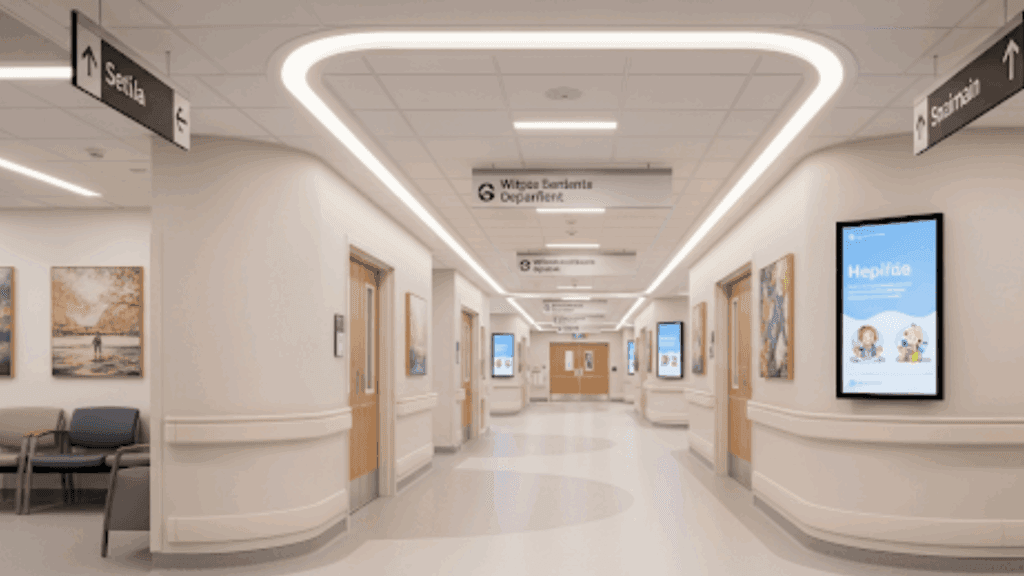
Lighting is one of the most fundamental yet often overlooked elements in hospital design. While patients and visitors may notice the advanced medical technology, skilled doctors, or the overall cleanliness of the facility, few realize how much of an impact lighting has on the healthcare environment. In reality, professional lighting design in modern hospitals plays a crucial role in creating safe, comfortable, and efficient spaces for both patients and staff. From patient recovery rooms to operating theaters, the right lighting design influences physical health, mental well-being, staff performance, and even the hospital’s operational costs. For patients, the hospital experience can be stressful. Unfamiliar surroundings, constant medical checks, and health concerns often create anxiety. In this context, lighting can serve as a subtle yet powerful healing tool. Research shows that exposure to natural light helps regulate circadian rhythms, which improves sleep quality and promotes recovery. A well-designed patient room, equipped with warm and adjustable lighting, provides comfort that makes the space feel less clinical and more personal. Corridors and waiting areas, on the other hand, benefit from soft, glare-free lighting that creates a welcoming atmosphere, helping patients and their families feel more at ease. In short, patient-centered lighting is not just about brightness but about creating an environment that promotes healing and emotional well-being. Lighting also has a direct impact on the performance and efficiency of medical staff. Doctors, nurses, and other healthcare professionals work long hours in high-stress situations where accuracy is essential. Poor lighting can lead to fatigue, eye strain, and even errors. In operating rooms, for instance, surgeons rely on highly focused, bright lighting that ensures precision and visibility. Nurse stations require balanced lighting that minimizes glare and supports staff concentration during extended shifts. Examination rooms benefit from adjustable task lighting that enables accurate diagnosis and treatment. Professional lighting design carefully balances brightness, color temperature, and distribution to create an environment where staff can work effectively and safely. Another critical factor in hospital lighting design is sustainability. Hospitals are facilities that never close; they operate 24 hours a day, seven days a week. This means energy consumption is significantly higher compared to other types of buildings. Traditional lighting systems not only increase electricity bills but also generate more heat, which impacts cooling costs. By adopting modern solutions such as LED lighting and smart control systems, hospitals can dramatically reduce their energy consumption. These systems last longer, require less maintenance, and help facilities achieve their sustainability goals. The result is not only a reduction in operational costs but also a smaller environmental footprint—something increasingly important for institutions in today’s world. The future of hospital lighting lies in innovation. Smart lighting systems now allow automatic adjustments in brightness and color temperature depending on the time of day or room occupancy. Circadian lighting, which mimics the natural cycle of daylight, is particularly beneficial for patients who spend extended time indoors. It helps regulate sleep patterns, reduces stress, and improves recovery outcomes. For medical staff working night shifts, circadian lighting helps them stay alert and maintain energy levels. Meanwhile, touchless lighting controls are becoming more common in hospitals, offering hygienic solutions that reduce the need for physical contact with switches. These innovations are creating healthcare environments that are not only more efficient but also more human-centered. Practical examples highlight the impact of well planned lighting. In corridors, combining LED fixtures with daylight sensors reduces unnecessary energy consumption while maintaining a safe and well-lit environment. In patient recovery rooms, tunable lighting systems allow individuals to adjust the brightness to their comfort, giving them a sense of control in an otherwise clinical setting. Intensive Care Units (ICUs), where patients are in fragile conditions, require lighting that allows staff to monitor patients effectively while still supporting rest and recovery. These case applications show that thoughtful lighting design benefits everyone in the healthcare environment. Ultimately, professional hospital lighting design is not a matter of luxury or aesthetics; it is a necessity. Good lighting supports patients in their healing journey, empowers staff to perform at their best, and helps hospitals operate more efficiently and sustainably. As healthcare facilities continue to modernize, the role of lighting will only grow more important. It is a long-term investment that pays off in improved well-being, higher efficiency, and reduced costs. For hospitals looking to upgrade their facilities, working with an experienced lighting consultant is essential. A consultant can analyze each space, understand its unique requirements, and develop solutions that combine functionality, comfort, and sustainability. Whether designing patient-centered recovery rooms, state-of-the-art operating theaters, or energy-efficient corridors, professional lighting consultancy ensures every aspect of the hospital is optimized. Illuminate your healthcare facility with expert lighting solutions. Contact Illuminating Asia today to transform your hospital into a brighter, safer, and more sustainable space.