The Science of Light: How Lighting Shapes Human Emotions and Productivity
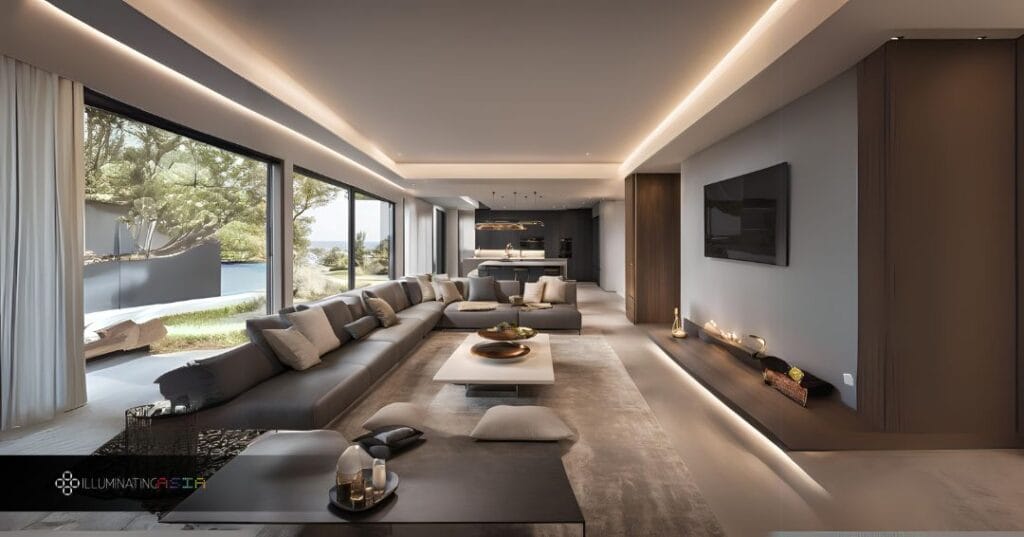
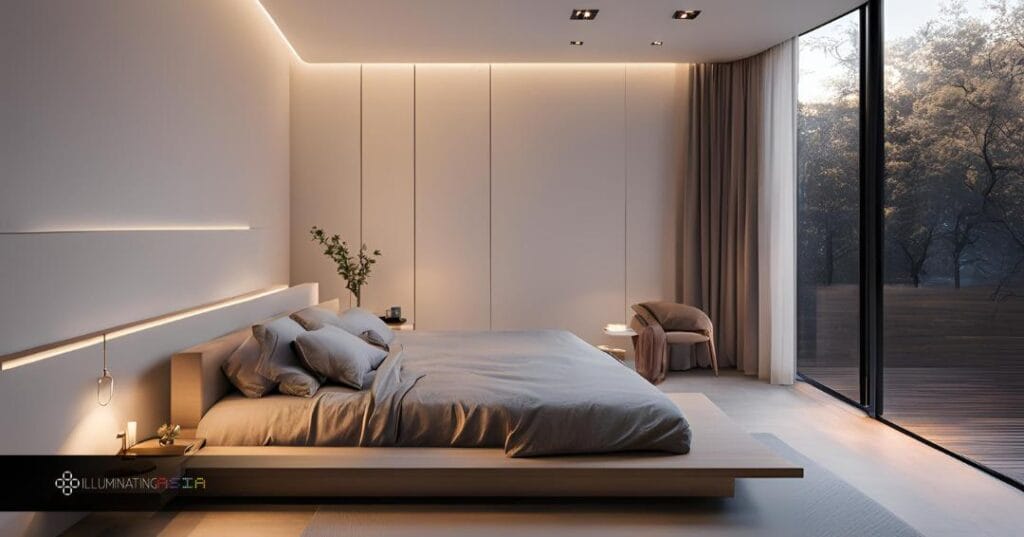
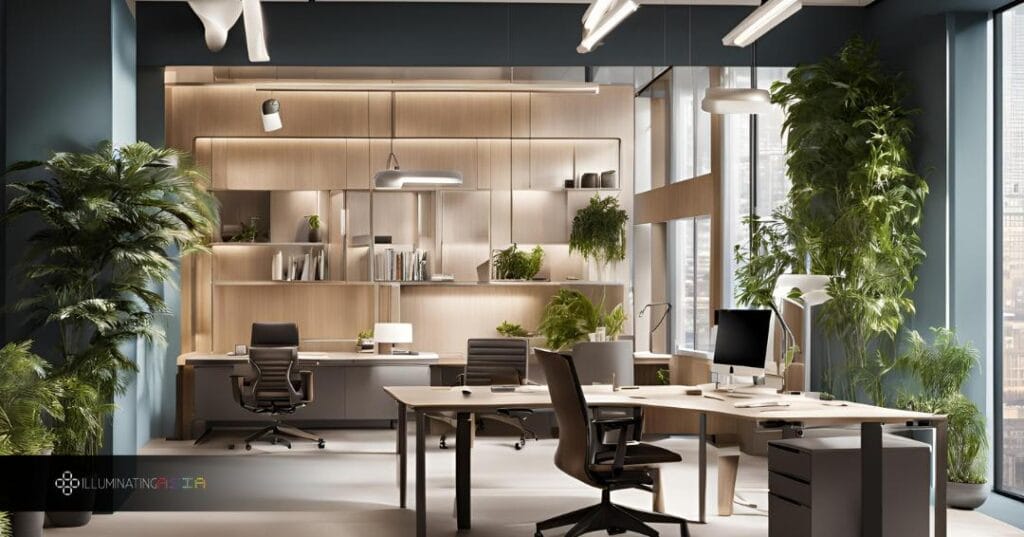
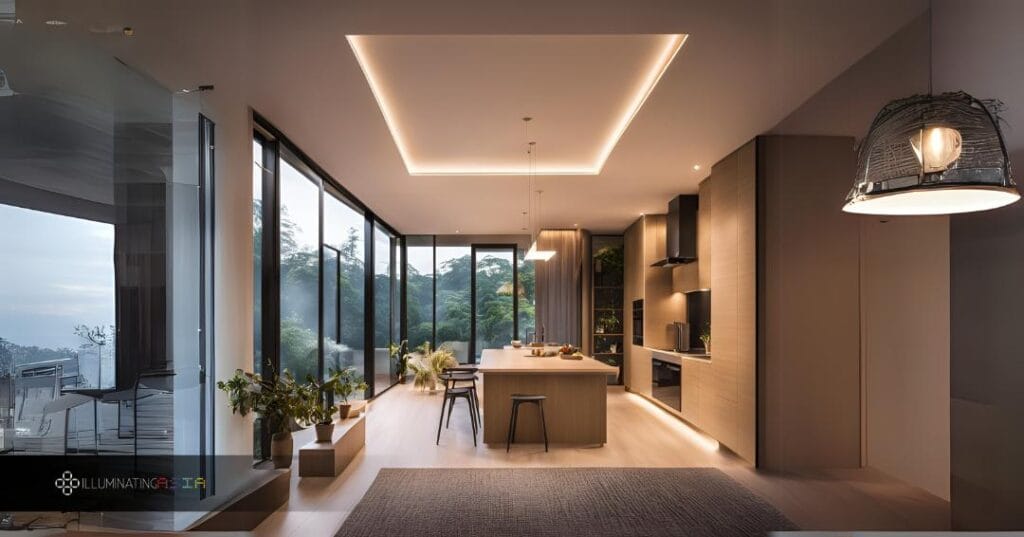
Lighting is more than just illumination. It is a science that affects our health, emotions, and productivity on a daily basis. From regulating our biological rhythms to enhancing creativity, light has the power to shape the way we live and work. 1. The Biological Connection Between Light and Humans Our bodies are naturally tuned to light through the circadian rhythm, an internal clock that regulates sleep, energy, and alertness. When exposed to natural daylight or well-designed artificial lighting, people experience improved focus, balanced sleep cycles, and better overall well-being. 2. Mood Enhancement Through Lighting Lighting has a profound effect on emotions. Warm white light (2700K–3000K) creates a sense of comfort and relaxation, making it ideal for spaces such as living rooms, bedrooms, and restaurants. In contrast, cool white light (4000K–6000K) promotes focus and alertness, which is why it is commonly used in offices, classrooms, and healthcare facilities. Choosing the right color temperature can help reduce stress, uplift mood, and even support overall mental well-being. 3. Productivity and Workplace Performance In work environments, lighting directly influences concentration and efficiency. Poor lighting leads to eye strain and fatigue, while smart adaptive lighting systems adjust brightness and color temperature throughout the day to align with human needs, boosting productivity and comfort. 4. The Role of Lighting in Creativity and Innovation Dynamic lighting, where intensity and tone shift naturally throughout the day, encourages creativity and problem-solving. This is why modern offices and innovation hubs use tunable lighting systems to simulate natural daylight indoors. 5. Practical Tips for Everyday Spaces Maximizing daylight wherever possible is the first step to creating a healthier and more inviting home. Natural light not only reduces energy consumption but also enhances mood and productivity. In areas designed for relaxation, warm lighting helps create a cozy and calming atmosphere, while cooler tones are better suited for workspaces where focus and clarity are essential. To add flexibility and improve efficiency, smart lighting controls can be installed, allowing you to easily adjust brightness and color according to your needs. Above all, it’s important to remember that lighting has a profound psychological impact, so every design choice should take into account how light influences comfort, energy, and overall well-being. Light is more than a tool—it is a silent influencer of human emotions and productivity. By understanding the science of light, architects, designers, and everyday users can create environments that not only look good but also make people feel and perform better. Lighting is more than just a functional element in our daily lives—it influences how we feel, think, and perform. From boosting productivity in workplaces to creating comfort at home, the science of light proves that the right design choices can dramatically transform our well-being. If you are looking to explore professional lighting solutions that merge science with design, visit Illuminating Asia. With innovative concepts and high-quality products, they bring to life the emotional and functional potential of lighting in every space.
The Science of Light: How Lighting Shapes Human Emotions and Productivity Read More »