Learning

Learning the Science Behind Sustainable Lighting for Modern Spaces

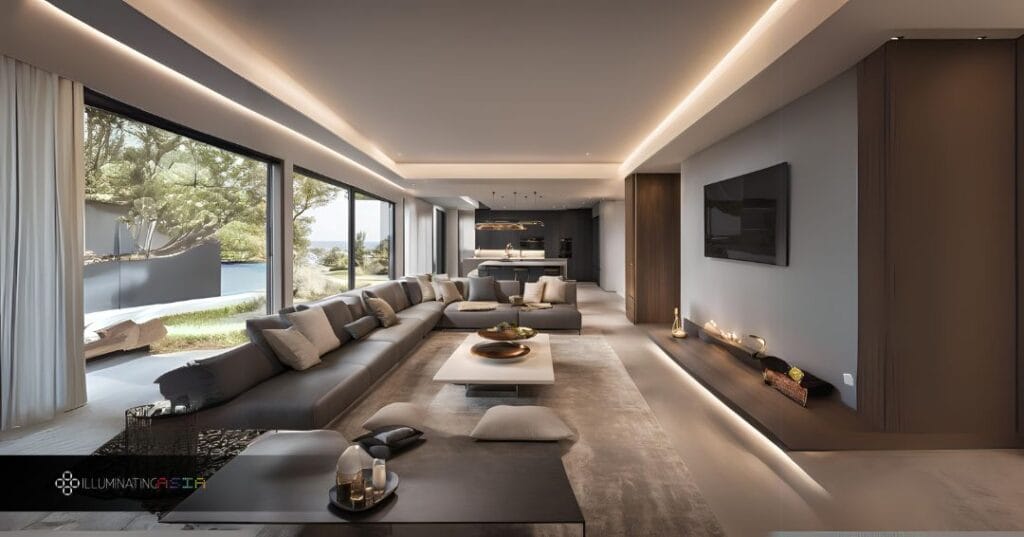
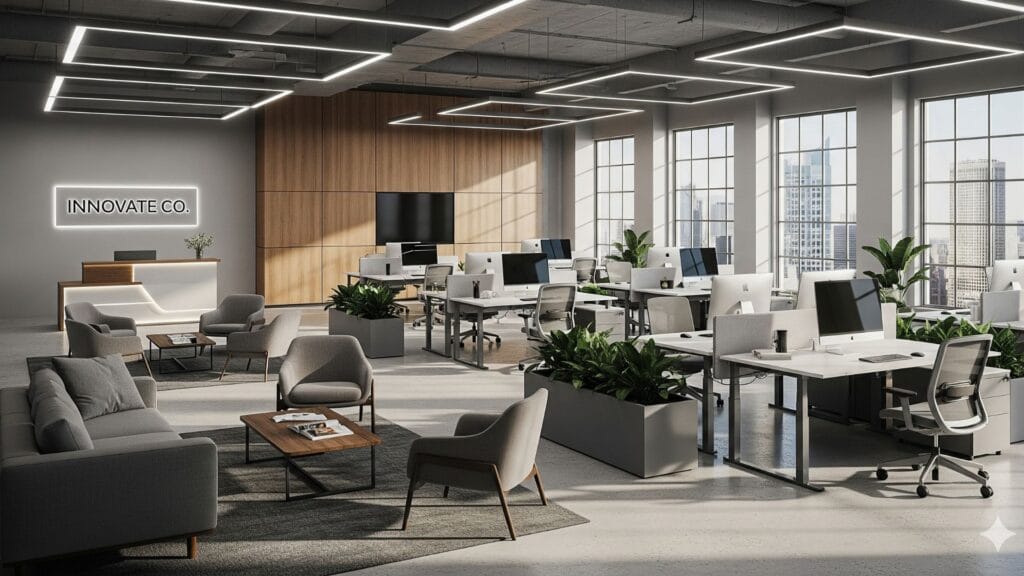
Sustainable lighting is no longer just a design trend it’s a necessity. As modern spaces evolve, lighting plays a crucial role in reducing energy consumption, lowering costs, and creating healthier environments. By learning the science behind sustainable lighting, architects, designers, and businesses can make smarter choices that balance efficiency, comfort, and aesthetics. 1. What Is Sustainable Lighting? Sustainable lighting refers to illumination solutions that minimize environmental impact while maximizing performance. This includes the use of LED technology, smart lighting controls, and materials designed for durability and recyclability. 2. The Science of Light and Energy Efficiency The shift to sustainable lighting is based on measurable science. LEDs consume up to 80% less energy than traditional bulbs and have a significantly longer lifespan. Lighting designers also apply concepts like lumens per watt (lm/W) to ensure maximum brightness with minimal energy use. 3. Human Centric and Healthy Lighting Sustainable lighting isn’t just about saving energy it also enhances human well-being. Proper lighting design regulates circadian rhythms, improves focus, and reduces eye strain, especially in workplaces, schools, and healthcare facilities. 4. Smart Lighting for Smarter Spaces Modern sustainable lighting leverages IoT-based systems and sensors. Smart lighting can adjust brightness based on occupancy, daylight levels, or even time of day, ensuring efficiency without sacrificing comfort. 5. Applications in Modern Spaces From offices and residential buildings to retail and public spaces, sustainable lighting can: Reduce operational costs Improve occupant comfort Strengthen brand identity through eco-conscious design Understanding the science of sustainable lighting is the first step toward building greener, smarter, and healthier environments. With expert consultation, businesses and property owners can achieve significant savings while enhancing comfort and aesthetics. Ready to make your space future-ready with sustainable lighting solutions? Connect with Illuminating Asia today and let our experts guide your journey to sustainable design. Contact Illuminating Asia

Learning the Science Behind Sustainable Lighting for Modern Spaces Read More »
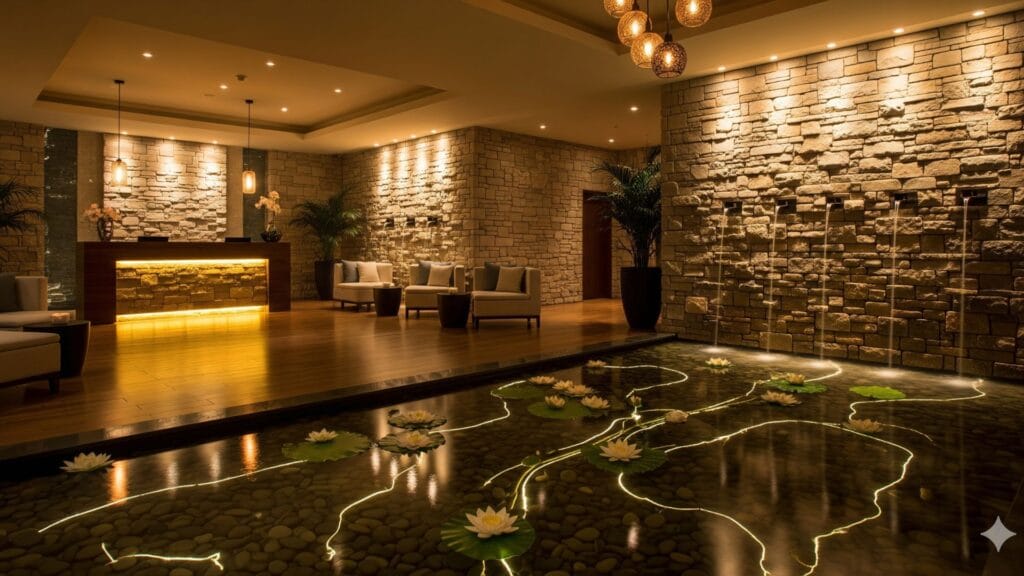
Lighting the Guest Journey: From Arrival to Relaxation in Hospitality Spaces

In hospitality, every detail matters and lighting design is one of the most powerful elements in shaping guest experience. From the moment guests arrive until they unwind in relaxation spaces, lighting guides emotions, highlights architecture, and strengthens a hotel’s identity. A Warm Welcome in the Lobby The lobby is the first impression of a hotel. Thoughtful hospitality lighting design creates a welcoming and elegant atmosphere. Large chandeliers add luxury, while soft indirect lighting on walls and ceilings ensures warmth and comfort. Corridors: Comfort and Wayfinding Corridors guide guests to rooms and facilities. Balanced lighting is key not too bright, not too dim. Wayfinding lights along floors or walls improve safety while accent lighting on artwork enhances aesthetics. Public Spaces: Dining, Lounges, and Meetings Restaurants, lounges, and meeting rooms each require distinct lighting. Dining spaces benefit from warm focused lights to enhance food presentation, while lounges often use dimmed ambient lighting for intimacy. Meeting rooms need uniform brightness to boost concentration. Guest Rooms: Personal Comfort In guest rooms, lighting must be versatile. Dimmable LED lights allow guests to choose between bright functional lighting and soft relaxing ambiance. Bedside lamps, mirror lights, and warm ceiling tones add to comfort and personalization. Wellness & Spa: Relaxation Through Light Spa and wellness areas rely on lighting to create calmness. Warm tones combined with accent lights on water or stone features enhance the atmosphere. Dynamic lighting can shift throughout the day to support relaxation. The Consultant’s Role Achieving such balance requires expertise. Illuminating Asia, with its experience across hospitals, offices, museums, and luxury hotels, delivers lighting solutions that are elegant, energy-efficient, and tailored to guest experiences. Lighting is more than illumination. It is the art of guiding guests  from arrival in the lobby, through corridors and public spaces, to restful rooms and relaxing spas. With professional hospitality lighting design, hotels can elevate comfort, brand identity, and guest satisfaction.

Lighting the Guest Journey: From Arrival to Relaxation in Hospitality Spaces Read More »

How to Choose the Right Lighting Fixtures for Each Room

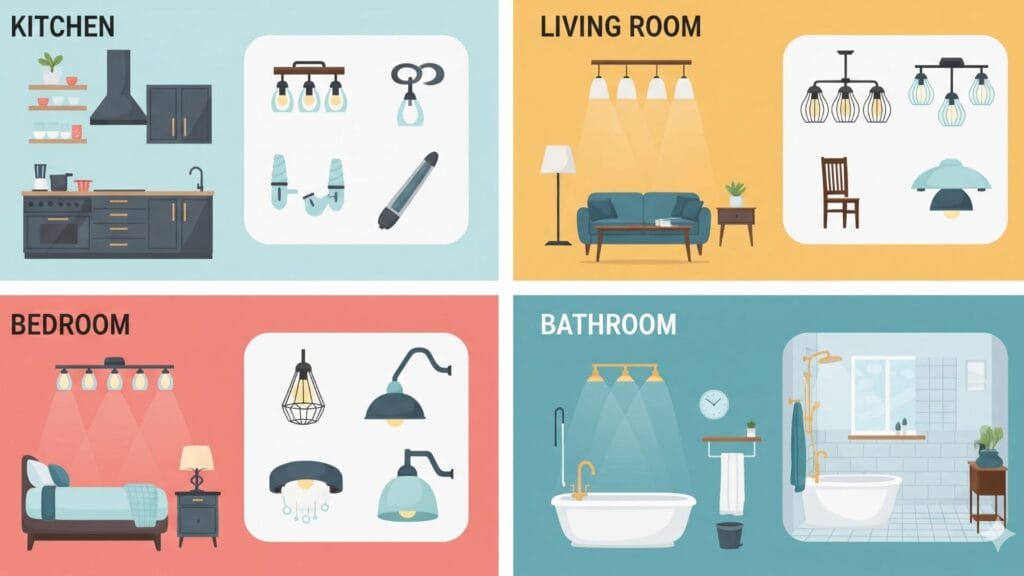
Lighting is one of the most powerful elements in interior design, yet it is often overlooked. Each room in a home has unique functions and moods, which means choosing the right lighting fixtures is essential. This guide will help you understand how to select the best lighting for every room, ensuring both functionality and aesthetic appeal. Living Room Lighting The living room is often the center of activity, so versatile lighting is key. A chandelier or ceiling fixture can provide ambient light, while floor lamps and table lamps add warmth. Accent lighting, such as wall sconces or spotlights, can be used to highlight artwork or architectural features. Kitchen Lighting Kitchens require a balance of task and ambient lighting. Pendant lights over the island or dining area create style and focus, while under-cabinet lighting ensures proper visibility for cooking tasks. Recessed ceiling lights can provide general illumination without cluttering the space. Bedroom Lighting Bedrooms are personal sanctuaries, so comfort is the main priority. Ambient lighting from ceiling fixtures sets a soft tone, while bedside table lamps or wall-mounted reading lights provide task lighting. Dimmers are highly recommended for creating a relaxing atmosphere. Bathroom Lighting Good bathroom lighting enhances both safety and style. Wall sconces placed at eye level on either side of the mirror reduce shadows for grooming tasks. Overhead fixtures or recessed lighting provide necessary general illumination. Avoid harsh, direct lights that can feel uncomfortable. Dining Room Lighting The dining room is best suited for statement fixtures like chandeliers or pendant lights over the dining table. Adding dimmers allows you to adjust brightness according to the mood—bright for family meals and soft for intimate dinners. Each room has different lighting needs, and selecting the right fixtures can transform not only the look but also the functionality of your home. By combining ambient, task, and accent lighting, you can create balanced and inviting spaces throughout your house. Ready to design your home with perfect lighting? Contact Illuminating Asia today for expert guidance in choosing the best lighting fixtures for every room.

How to Choose the Right Lighting Fixtures for Each Room Read More »

Human Centric Lighting: Enhancing Health and Productivity with Light

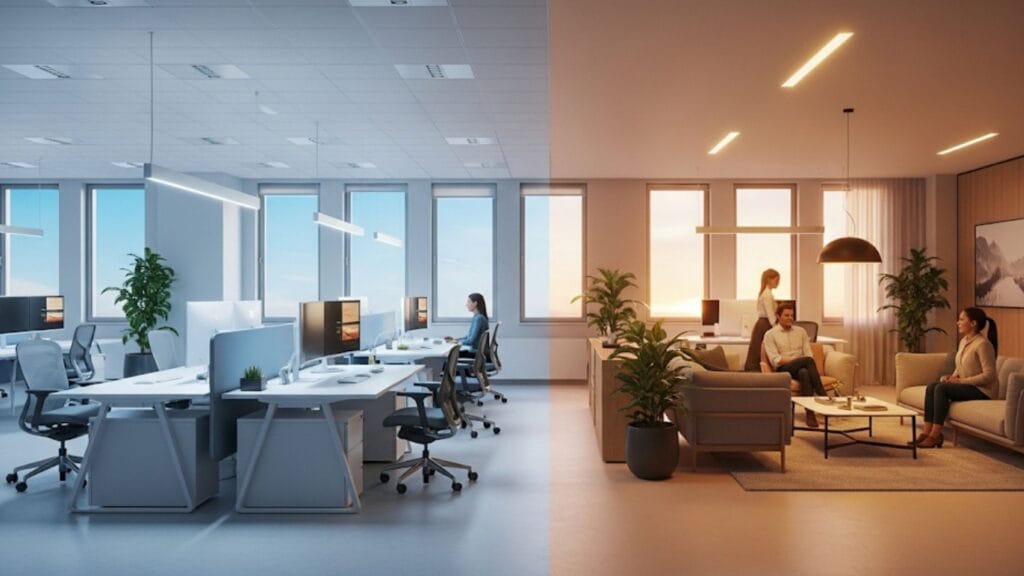
Lighting does more than illuminate a room it influences how people feel, think, and perform. Human centric lighting (HCL) is an innovative approach that considers the biological and emotional effects of light on humans. By aligning artificial lighting with natural circadian rhythms, HCL helps improve mood, focus, and overall well-being. What is Human Centric Lighting? Human-centric lighting is a design concept that replicates the natural changes of daylight indoors. It adjusts brightness, color temperature, and intensity throughout the day to support human biological needs. For example, cooler light in the morning enhances alertness, while warmer tones in the evening promote relaxation. Benefits of Human Centric Lighting The benefits of human centric lighting extend far beyond illumination. In workplaces, it significantly boosts productivity by improving focus and reducing fatigue. For health, it helps regulate circadian rhythm, leading to better sleep quality and reduced sleep disorders. Its impact on mental well-being is also undeniable, as appropriate lighting has been shown to reduce stress and improve mood. Additionally, modern HCL systems are energy efficient, often integrated with smart controls that optimize energy consumption without compromising comfort. Applications of Human Centric Lighting Human centric lighting can be applied across many environments. In offices, it creates a healthier atmosphere where employees can stay focused and energized. In hospitals, it aids patient recovery while improving the efficiency of medical staff. Educational institutions benefit as well, with students showing higher concentration and better learning outcomes under optimized lighting. Even in residential spaces, HCL transforms the home into a more comfortable and adaptive environment, supporting daily activities and ensuring restful sleep. As we spend more time indoors, lighting must evolve beyond visibility to truly support human needs. Human centric lighting bridges the gap between technology and wellness, shaping healthier and more productive spaces. Bring the power of human centric lighting to your next project with Illuminating Asia. Let us help you design spaces that promote health, happiness, and performance.

Human Centric Lighting: Enhancing Health and Productivity with Light Read More »

The Science of Light: How Lighting Enhances Knowledge and Learning

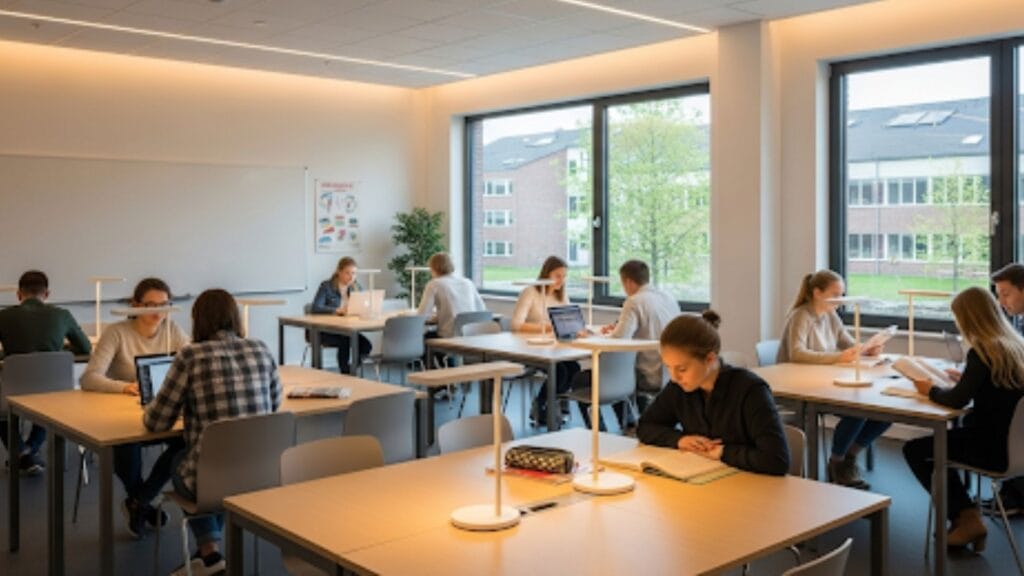
Light is a powerful tool that goes beyond illumination. It shapes the way we think, learn, and retain knowledge. In education, the quality of lighting directly impacts student performance, concentration levels, and overall well being. From classrooms and libraries to laboratories and study halls, the right lighting design transforms learning spaces into environments that inspire focus and creativity. Natural daylight has long been recognized as a key factor in boosting cognitive function and energy levels. When combined with well designed artificial lighting, it creates balanced spaces that reduce eye strain and encourage sustained concentration. For example, cool white lighting can enhance alertness during morning classes, while warmer tones in the evening support a calmer learning atmosphere. Libraries and study areas also benefit from targeted lighting strategies. Task lighting ensures clarity for reading and research, while ambient lighting provides a comfortable backdrop for extended study sessions. Smart lighting systems now offer flexibility by adjusting brightness and color temperature throughout the day, aligning with students’ natural circadian rhythms. At IlluminatingAsia, we believe that learning environments deserve lighting that nurtures knowledge. Our expertise in educational lighting design ensures that every solution combines functionality, sustainability, and aesthetics . Helping students and educators perform at their best. Enhance your learning spaces with lighting that inspires focus and creativity. Connect with IlluminatingAsia for tailored educational lighting solutions.”

The Science of Light: How Lighting Enhances Knowledge and Learning Read More »

How Distance of Light with Membrane Creates Different Effects

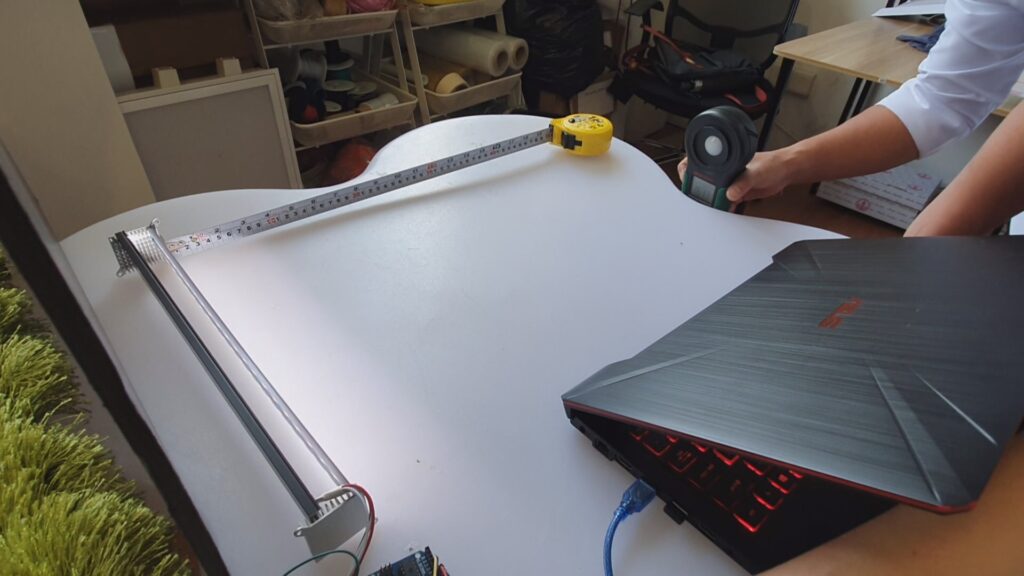
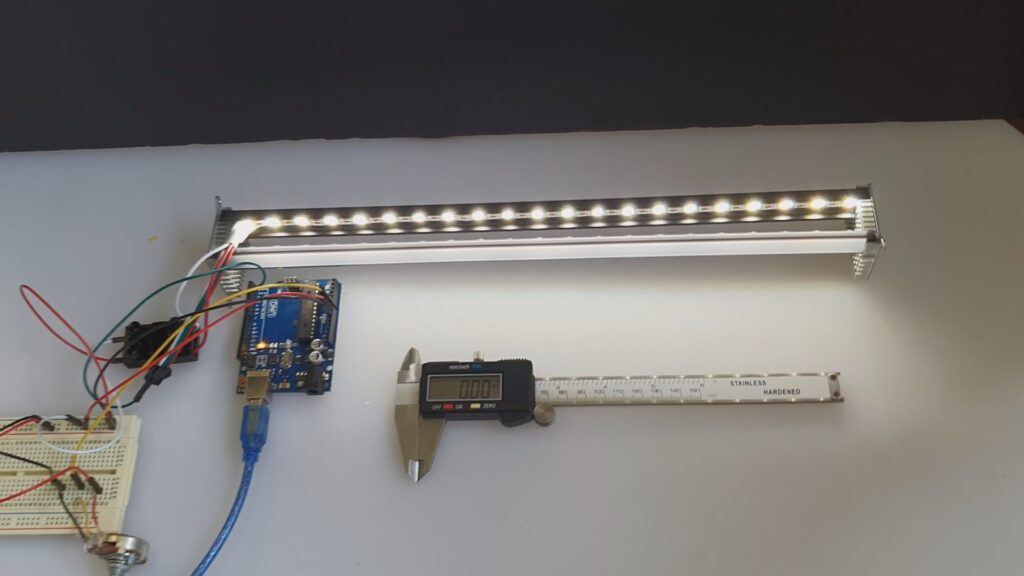
Lighting design is an art and a science. One key factor in shaping the mood, ambiance, and functionality of a space is the distance between the light source and the surface it interacts with, like a membrane or diffuser. This distance influences how light is distributed, perceived, and experienced. Let’s dive into the science and art behind this phenomenon. The Science Behind Light and Distance When light travels, its intensity, spread, and effect are directly impacted by the distance between the source and the membrane it interacts with. Here’s how: Short Distance: Creates a concentrated, intense light. Highlights textures and details on the surface of the membrane. Works well for task lighting or creating a dramatic effect. Medium Distance: Provides a balanced diffusion of light. Softens shadows and reduces glare. Ideal for general ambient lighting. Long Distance: Produces a wide spread of light. Creates a gentle, uniform glow. Perfect for creating a relaxing atmosphere, like indirect ceiling lighting. Visual Effects and Applications The distance between the light and membrane is a powerful tool for designers. Different distances can evoke various emotions and serve specific purposes: Close Proximity for Accents: Spotlights or pendant lights placed close to membranes create focused, dramatic lighting. Perfect for highlighting artwork, architectural features, or objects. Balanced Diffusion for Soft Ambiance: Placing the light at a medium distance creates a cozy, welcoming glow. Used in living rooms, bedrooms, or dining areas. Far Distances for Indirect Illumination: Light placed far from the membrane results in an even, diffused glow that softens the entire space. Works well for cove lighting, backlighting, or creating serene environments. How to Adjust Lighting for Optimal Effects To achieve the best results, consider these tips: Experiment with Angles and Distance: Adjust the light source’s distance to test the intensity and diffusion. Small changes can make a significant difference. Use High-Quality Membranes: Diffusers or membranes with optimal material properties can enhance the spread and soften harsh lighting. Incorporate Dimmable Lighting: This allows you to fine-tune brightness and adapt to different needs or moods. Why Choose Illuminating Asia? At Illuminating Asia, we specialize in creating bespoke lighting solutions tailored to your needs. Our expertise in balancing light distance and diffusion ensures: Functional and Aesthetic Excellence: Every space is both practical and visually stunning. Custom Solutions: Designs that match your unique vision and requirements. Energy Efficiency: Sustainable lighting systems that conserve energy while elevating your space. Let us help you bring your vision to light. DM us for a free consultation today!  

How Distance of Light with Membrane Creates Different Effects Read More »