
Industrial facilities such as factories, warehouses, and production plants rely heavily on lighting to maintain safe and productive operations. With rising energy costs and growing concerns about sustainability, businesses are increasingly looking for lighting solutions that reduce energy consumption without compromising performance. Modern industrial lighting is no longer just about illumination it is about efficiency, safety, and innovation.
One of the most effective strategies for energy efficient industrial lighting is the adoption of LED technology. Compared to traditional fluorescent or high intensity discharge (HID) lamps, LED fixtures consume significantly less energy while delivering higher brightness and durability. They also have a much longer lifespan, which reduces maintenance costs in facilities where lighting systems are difficult to access. For large warehouses and factories, this translates into considerable savings and operational efficiency.
Another important aspect of industrial lighting design is smart control systems. These systems allow businesses to manage lighting based on occupancy, daylight availability, and working hours. Motion sensors, for example, ensure that lights in rarely used areas such as storage rooms or corridors remain off when not needed. Automated scheduling ensures that lights are only on during shifts, preventing unnecessary energy waste. By integrating lighting with building management systems, companies can achieve even greater efficiency and control.
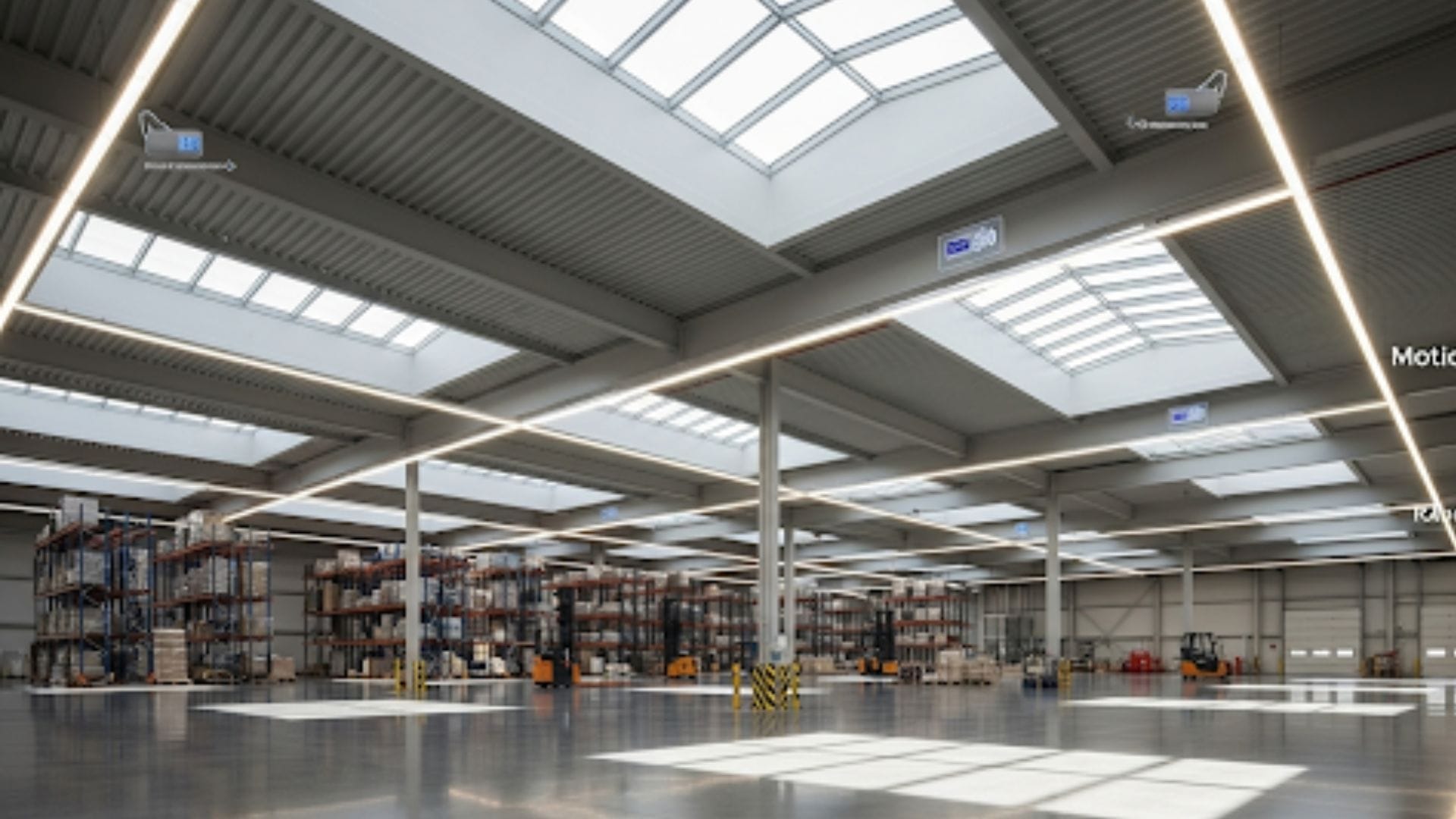
In addition to reducing energy consumption, modern industrial lighting also prioritizes safety and productivity. Proper lighting reduces the risk of workplace accidents by ensuring visibility in critical areas such as assembly lines, loading docks, and pathways. High-quality LED lighting provides uniform illumination without flickering, minimizing eye strain for workers and improving focus on detailed tasks. With tailored lighting design, businesses can create a safer, more comfortable environment that directly contributes to higher output and employee well-being.
Sustainability is also a key driver in industrial lighting upgrades. Many organizations are aiming for green certifications or corporate sustainability goals. Switching to energy-efficient lighting not only lowers carbon emissions but also positions companies as responsible and forward thinking. Some industrial facilities are even incorporating renewable energy sources, such as solar panels, to power their lighting systems, further reducing reliance on conventional electricity.
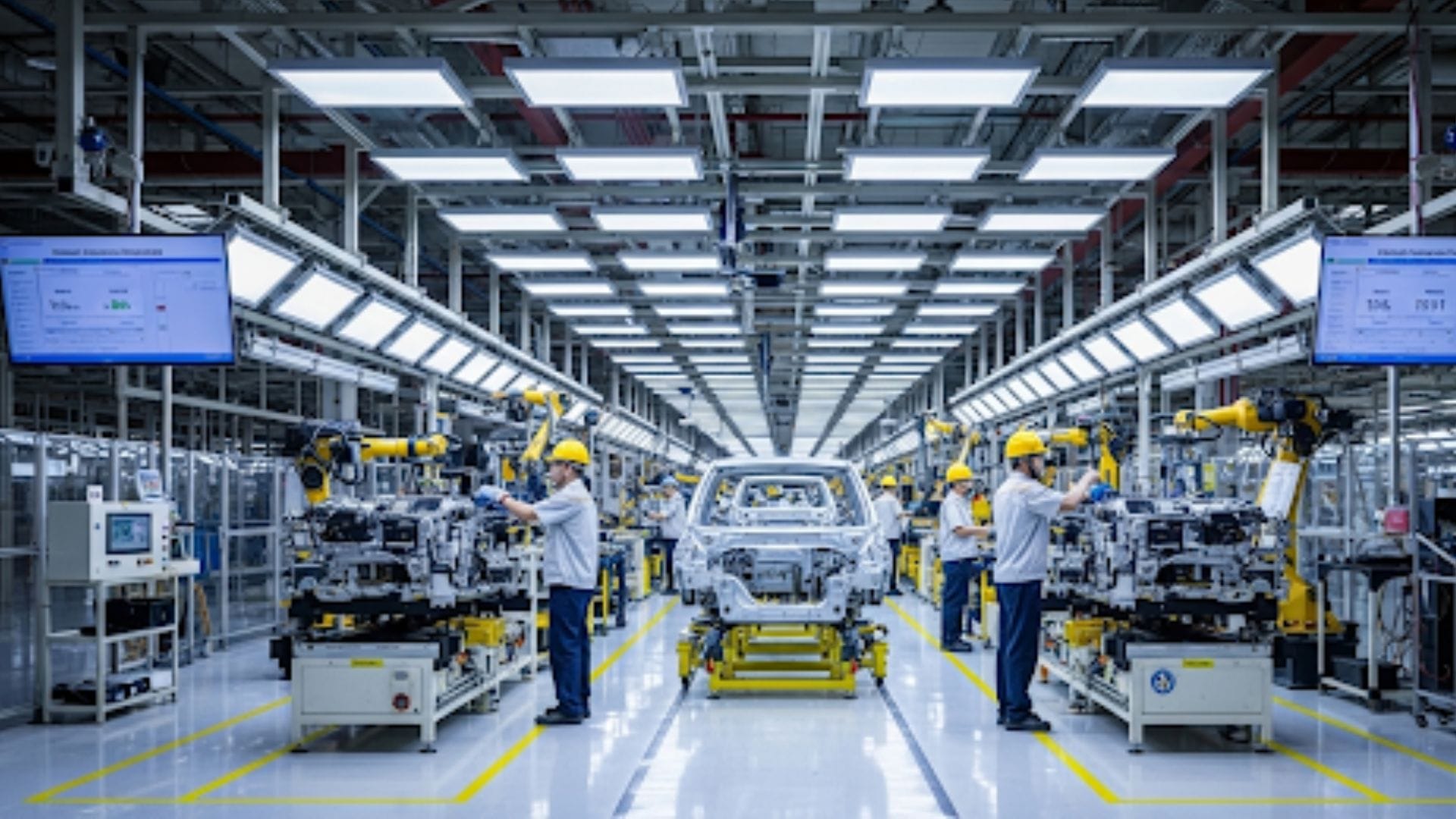
For industries that operate around the clock, reliable lighting is critical. The latest durable LED solutions are designed to withstand harsh environments, including high temperatures, dust, and moisture. This resilience ensures consistent performance in challenging industrial settings, preventing costly downtime caused by lighting failures.
The future of industrial lighting is about more than cost savings it is about smarter, safer, and more sustainable workplaces. By investing in energy-efficient lighting systems, businesses can significantly cut expenses, enhance worker productivity, and meet sustainability targets.
Transform your industrial facility with energy efficient lighting solutions. Contact Illuminating Asia today and discover how smart lighting can optimize your operations.