
Illuminating Asia redefines lighting with its science-led approach, creating innovative products and memorable spaces that transcend traditional boundaries
Imagine a scenario in which a ceiling light, that ubiquitous, commonplace home fixture, could actually help to save someone’s life. A thermo-sensor in the light generates a heat map on the floor, which serves to detect body temperature and monitor the activity level in a space. If a person experiences a medical emergency and ends up falling to the ground unconscious, the light detects the lack of movement and sends out an alert for assistance to the family members or paramedics.
Or, in a shopping mall, similar lighting fixtures would employ the same technology to gauge the number of people present in a particular zone, and let the management know if they should adjust the air-conditioning or the level of security accordingly.
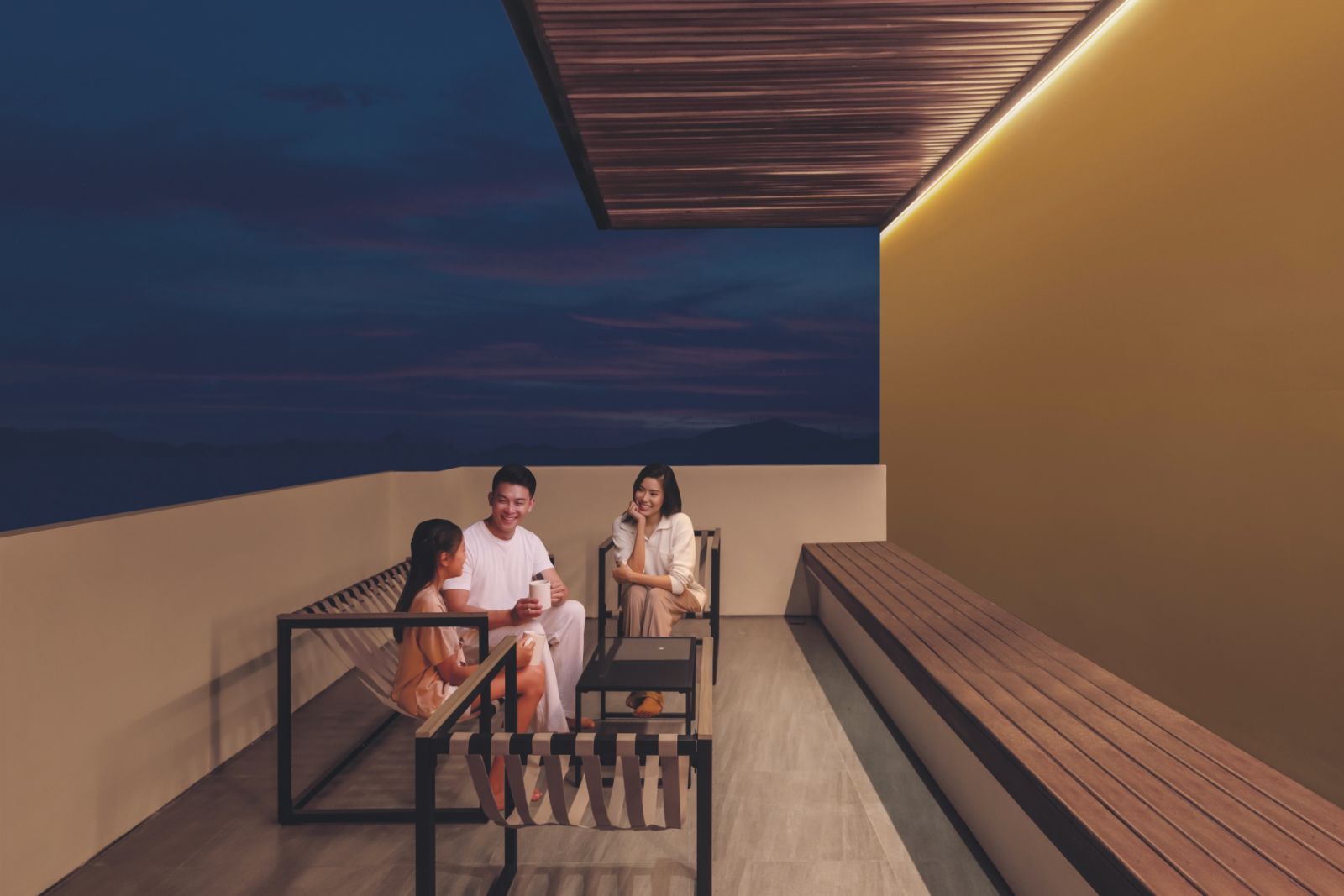
Illuminating Asia redefines lighting with its science-led approach, creating innovative products and memorable spaces that transcend traditional boundaries
Imagine a scenario in which a ceiling light, that ubiquitous, commonplace home fixture, could actually help to save someone’s life. A thermo-sensor in the light generates a heat map on the floor, which serves to detect body temperature and monitor the activity level in a space. If a person experiences a medical emergency and ends up falling to the ground unconscious, the light detects the lack of movement and sends out an alert for assistance to the family members or paramedics.
Or, in a shopping mall, similar lighting fixtures would employ the same technology to gauge the number of people present in a particular zone, and let the management know if they should adjust the air-conditioning or the level of security accordingly.
Such groundbreaking concepts are moving away from the realm of science fiction to becoming reality faster than we think, due to the efforts of firms such as Singapore based lighting design consultancy Illuminating Asia. Such technology becomes even more pertinent given Singapore’s rapidly ageing populace, many of whom live alone, as well as the global need to reduce our carbon footprint and mitigate the damaging effects of climate change.
Blazing a trail
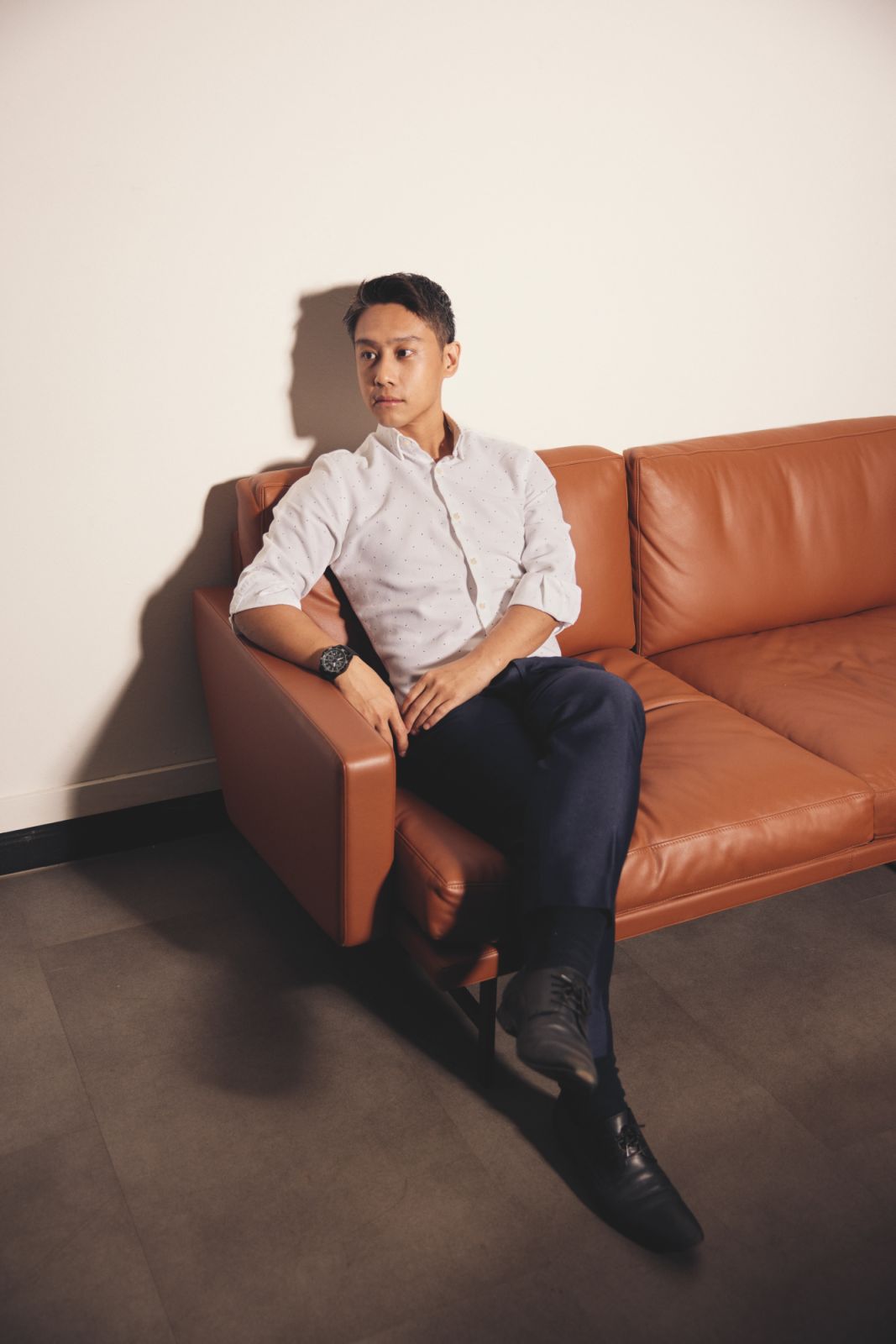
Helmed by managing director and principal lighting consultant Stanley Tay, Illuminating Asia is a firm that revels in challenging convention with a keen focus on science, research and product development, with a view to improving people’s lives. Guided by a foundational triumvirate of design, engineering and technology, the award-winning company has completed scores of projects involving residential, commercial and industrial spaces, tourist attractions, and heritage buildings.
In case you missed it: Elevating your home design with Lune Brillante’s smart lighting solutions
The enterprising Tay officially launched the business in 2010, when he was still in school. He had been on an exchange programme in Taiwan, and was intrigued by how traditional buildings in the country, such as temples, had installed LED signs with colour-changing effects. “I thought, if a traditional temple could adopt modern [LED] lighting technology, there is a good chance it could be adopted by everyone,” he says. “The technology holds a lot of promise.”
Starting out by working from a home office, Tay strove to set his fledgling firm apart from its peers by “offering high-quality solutions at a low cost”. Physical experiments taught him more about the intricacies of lighting design, and how each of its facets could be improved upon. Tay is a firm believer in continuous learning and constant research; he reveals that Illuminating Asia has engaged in studies with Nanyang Technological University (NTU) on the effect various light wavelengths and colour tones have on people.
It wasn’t long before Illuminating Asia carved a niche with its modern lighting applications, gracing everything from private homes to landscapes and popular public places such as Haw Par Villa, Marina One, NTU Sky Dome and Chijmes. Incidentally, the latter are among the projects Tay is most proud of. “They were extremely challenging, requiring multidisciplinary specialisations such as architecture, electrical and electronic engineering, an artistic eye and familiarity with the lighting systems to be applied concurrently in our work,” he says. “We learnt to be experts in various fields.
Eye on the prize
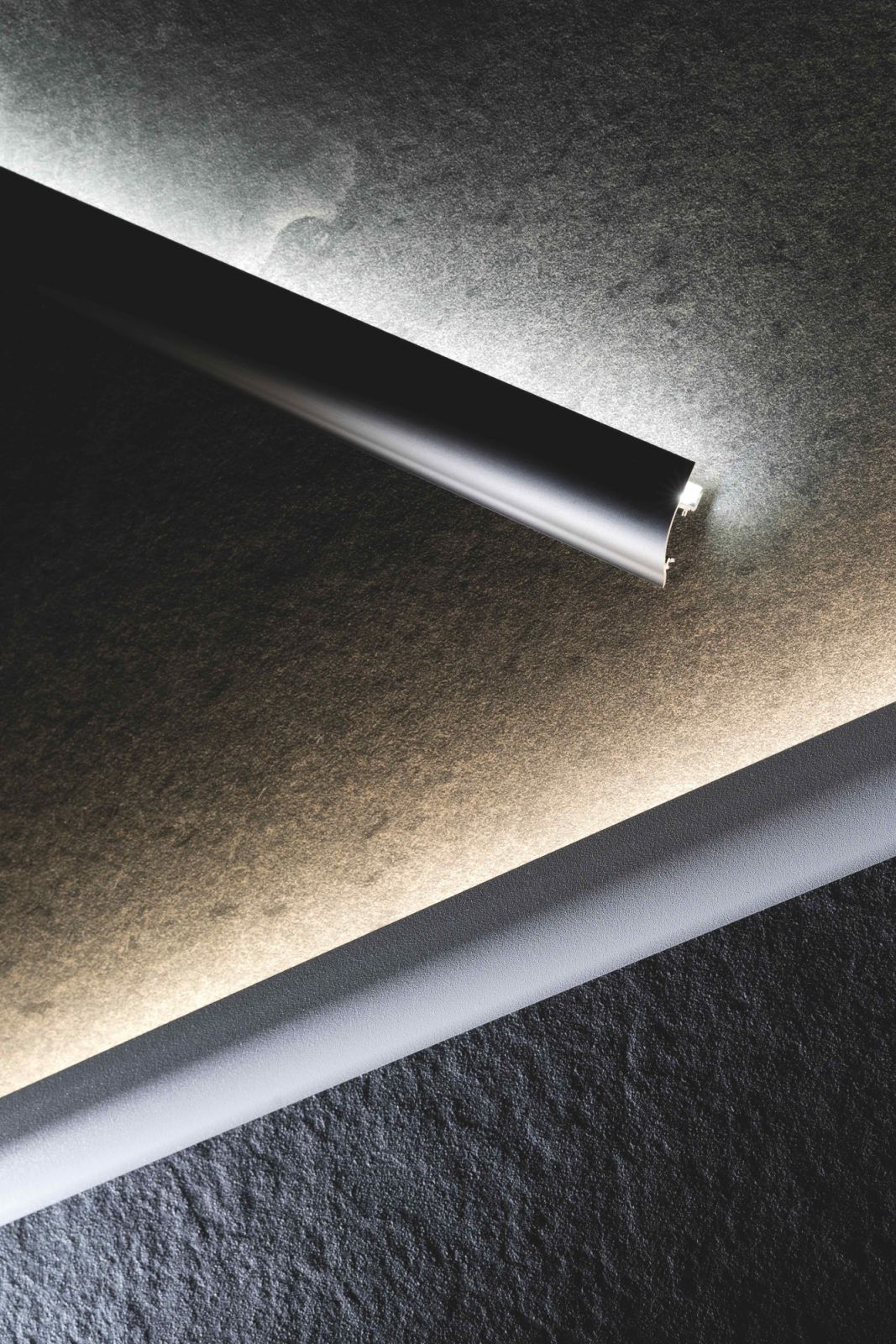
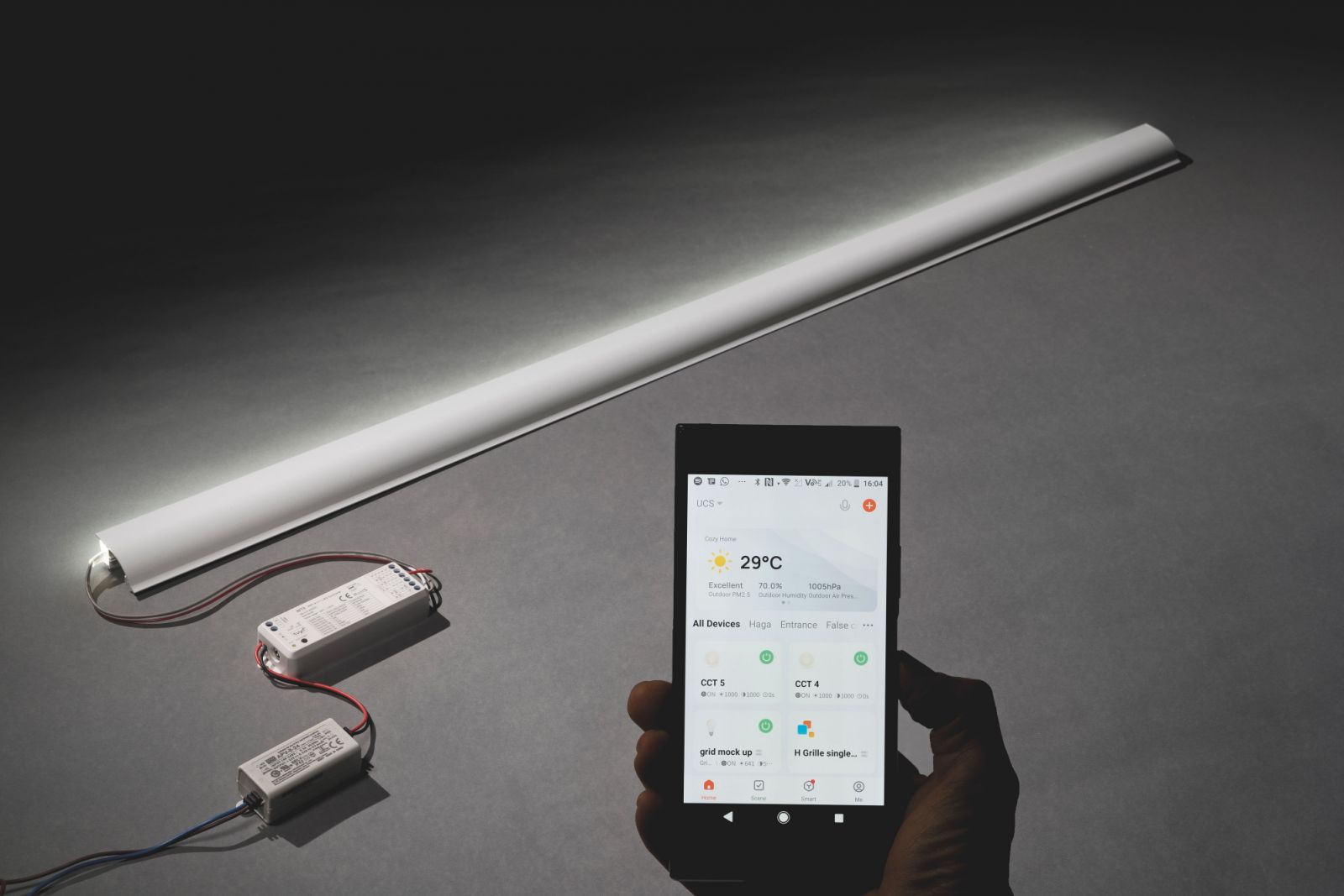
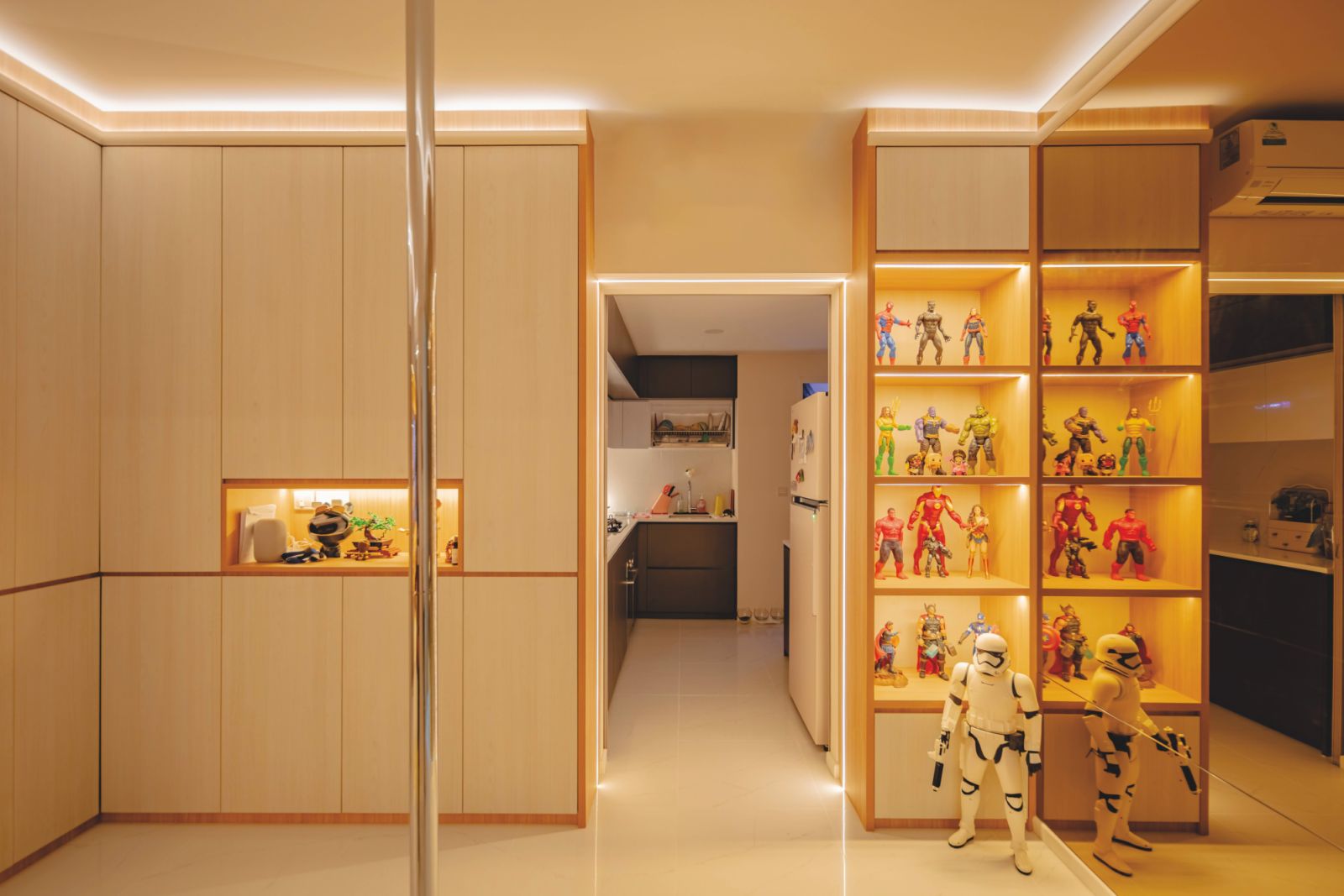
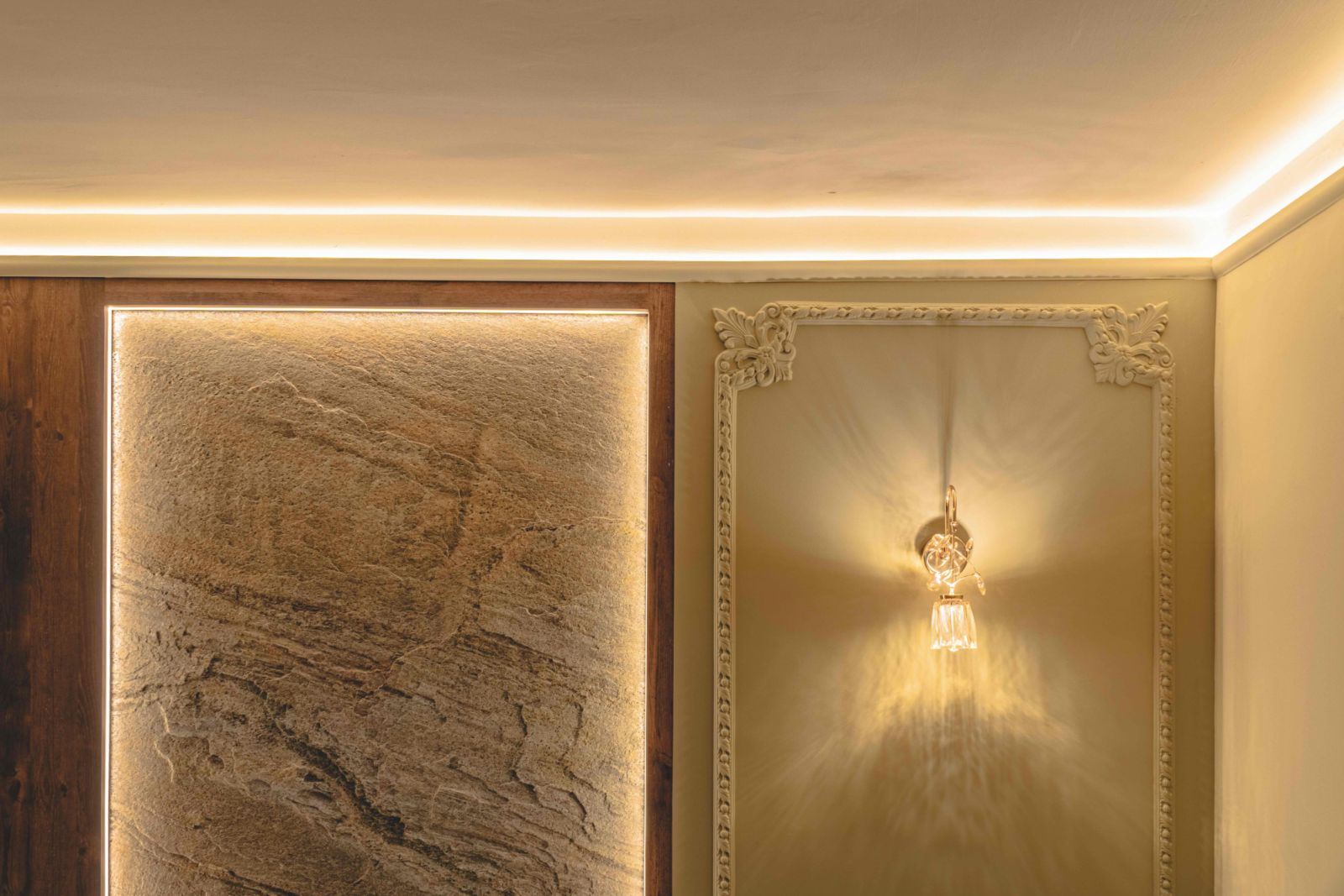
It comes as no surprise that, based on its extensive research and technical knowhow, Illuminating Asia would inevitably launch its own lighting products. Its proprietary brand, Lune Brillante, offers high performance lighting solutions that seamlessly marry aesthetics and technical proficiency. They are, as Tay puts it, “products that serve a real need, priced affordably”. Lune Brillante’s innovations include the Haga “coveless cove lighting” solution, a patented and trademarked design that cleverly negates the need for a false ceiling, yet offers a gentle cove lighting effect. Another product range, Chandelle, encompasses a series of dimmable and tuneable downlights and track lights, among other modules, that are crafted from lightweight yet durable aluminium, and emit crisp, visually pleasing illumination.
But perhaps the most exciting of Illuminating Asia’s developments is the aforementioned thermo-based innovation, which monitors the activity level of people in any given floorspace under the lights via a heatmap. The first such light of its kind in the world, this patented product is poised to offer a wealth of possibilities in terms of real-time emergency, energy, security and retail analytics responses when it comes to market.
Tay voiced a desire to maintain his firm’s position at the vanguard of innovation. “The local lighting industry is dominated by trading companies that source from China, or are exclusive distributors from Europe-based product manufacturers,” he says. “Being a consultant, we are fortunate to be at the forefront of idea creation with clients. With our in-depth global product and supply chain knowhow, patented solutions and ongoing research, we might just make Singapore a potential force to compete with other Asian countries traditionally known to be lighting production powerhouses. “We love lighting, we are continually learning, and we can still be successful by being relevant to society and meeting bread-andbutter needs,” he declares. “It’s all about daring to try.”
—